

 Current location: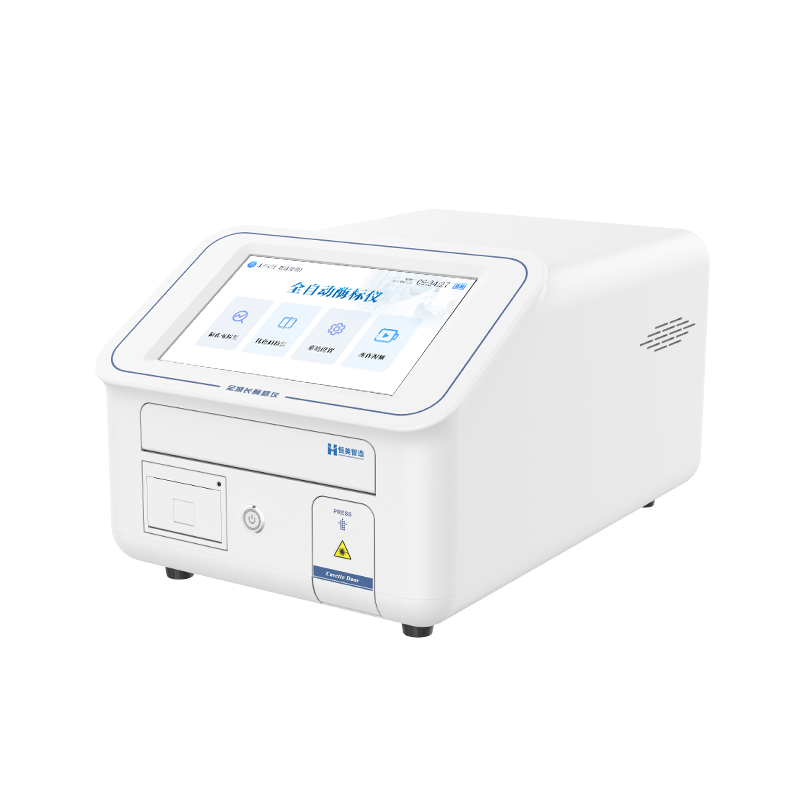
 +86
17853698681
+86
17853698681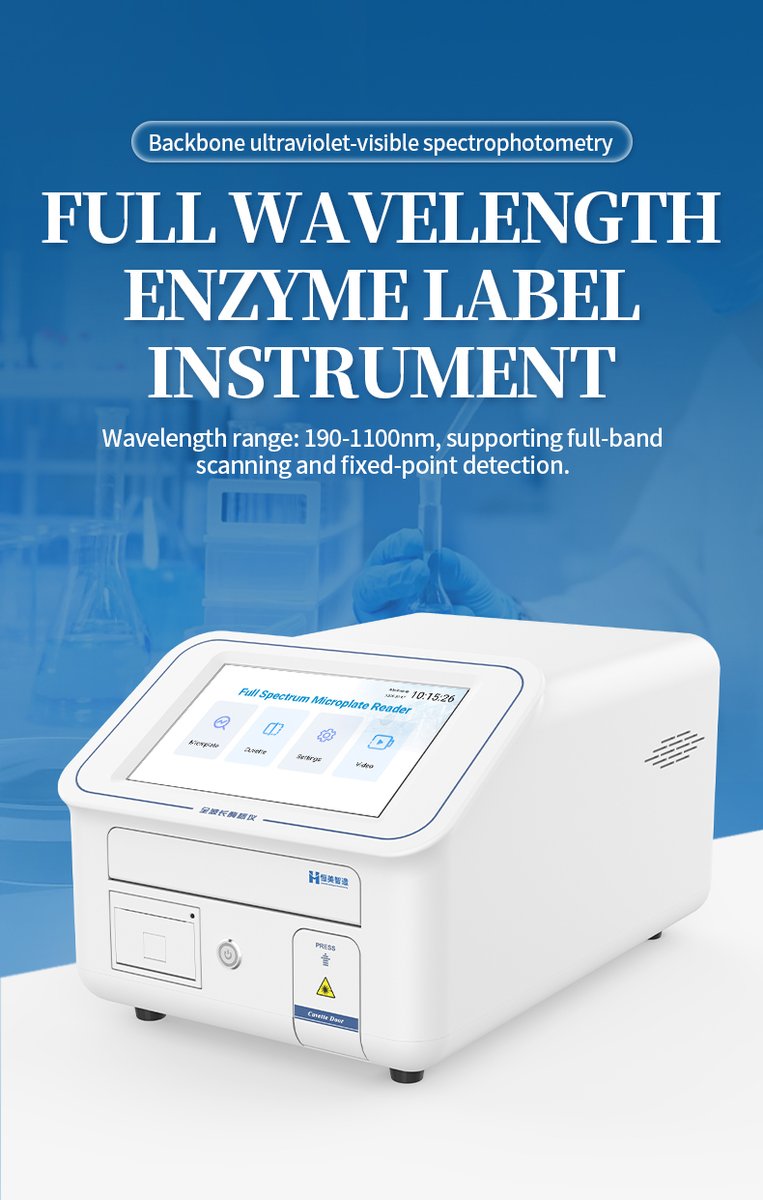
Product Introduction
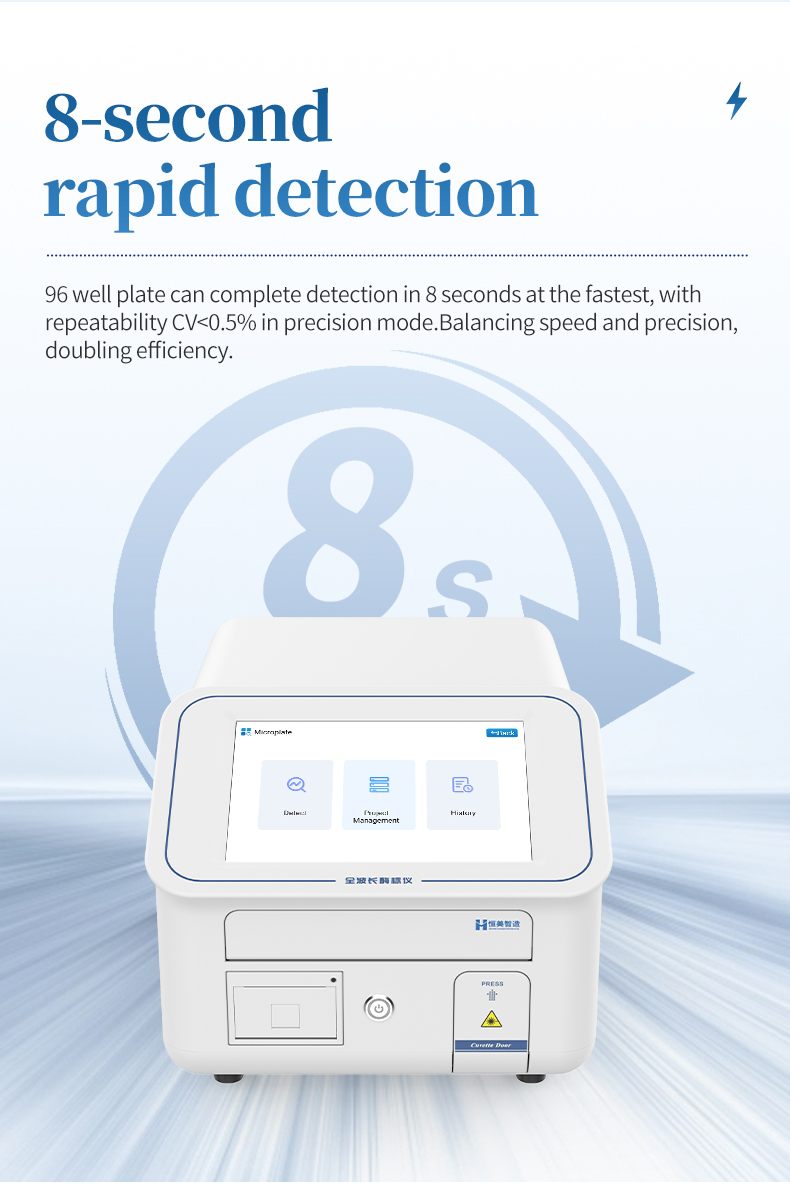
High-throughput screening facilities in pharmaceutical companies, contract research organizations, and clinical reference laboratories face an escalating challenge: the gap between growing compound library sizes and the throughput limitations of conventional 96-well microplate readers. A standard 96-well endpoint assay cycle may take under 8 seconds in fast mode, but when multiplied across compound libraries exceeding 100,000 entries, the cumulative assay time becomes prohibitive. The HM-384Q full spectrum microplate reader directly addresses this operational bottleneck by extending plate format compatibility to 384-well density, quadrupling per-plate sample capacity while maintaining the same optical precision.
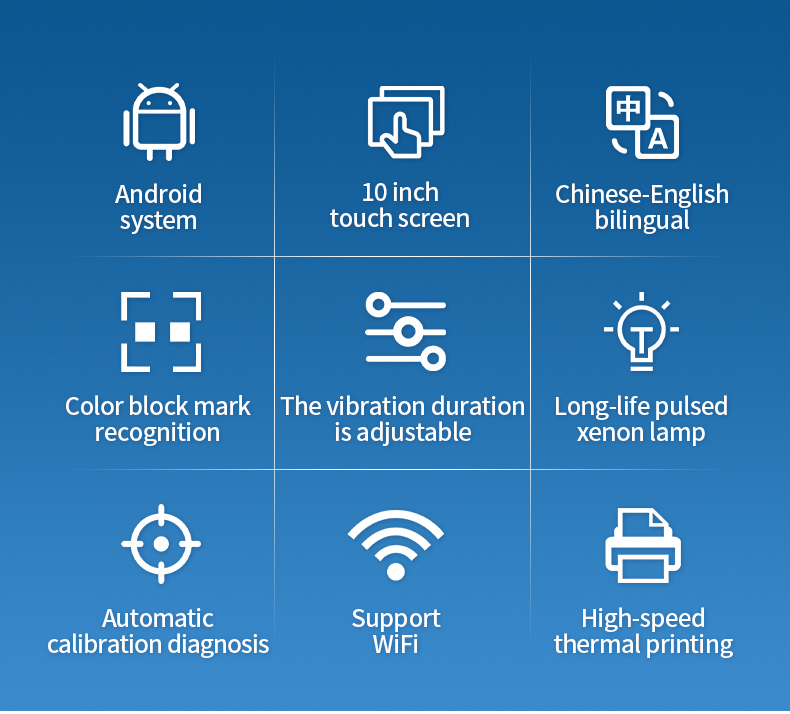
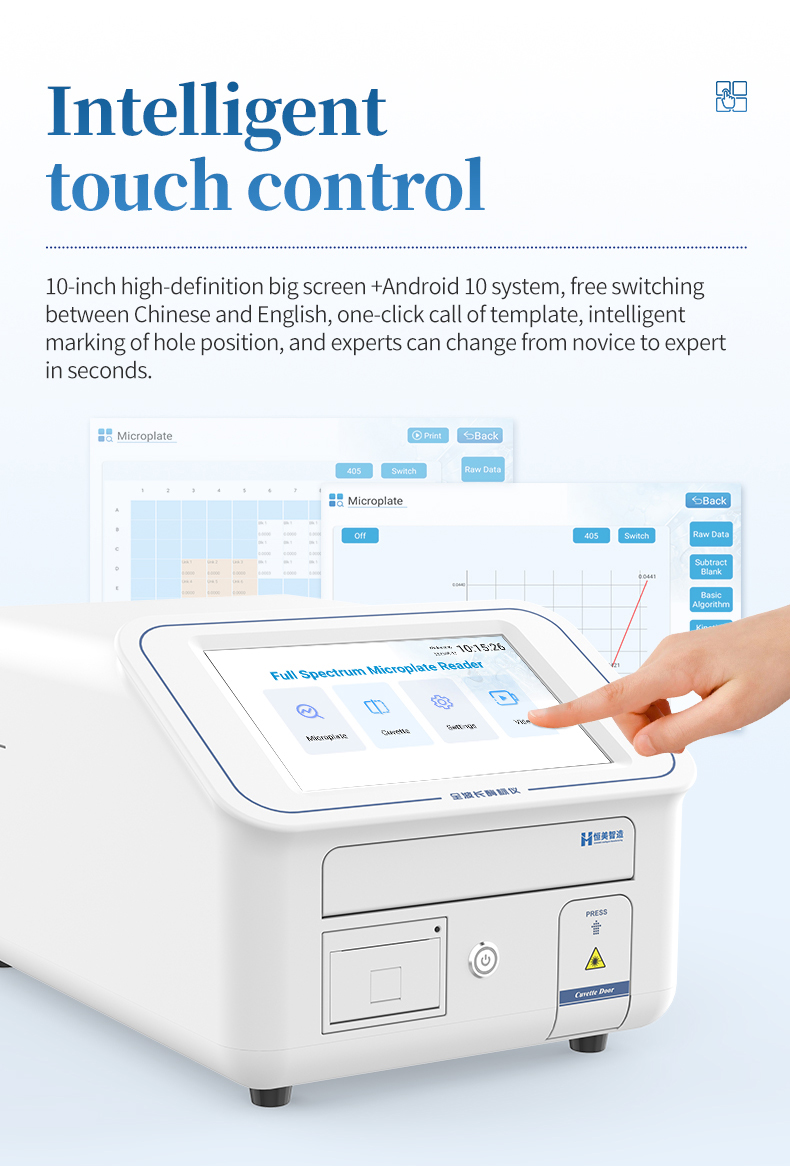
For 384-well operation, precision-mode measurement completes a full plate in under 76 seconds. This throughput, combined with the Android 10 touchscreen interface for one-click template presetting and concentration gradient configuration, enables method transfer between operators without protocol drift. Temperature-controlled incubation from RT+4 to 45 ℃ with three-speed linear shaking supports on-deck enzyme reactions and cell-based viability assays without transferring plates to external incubators.
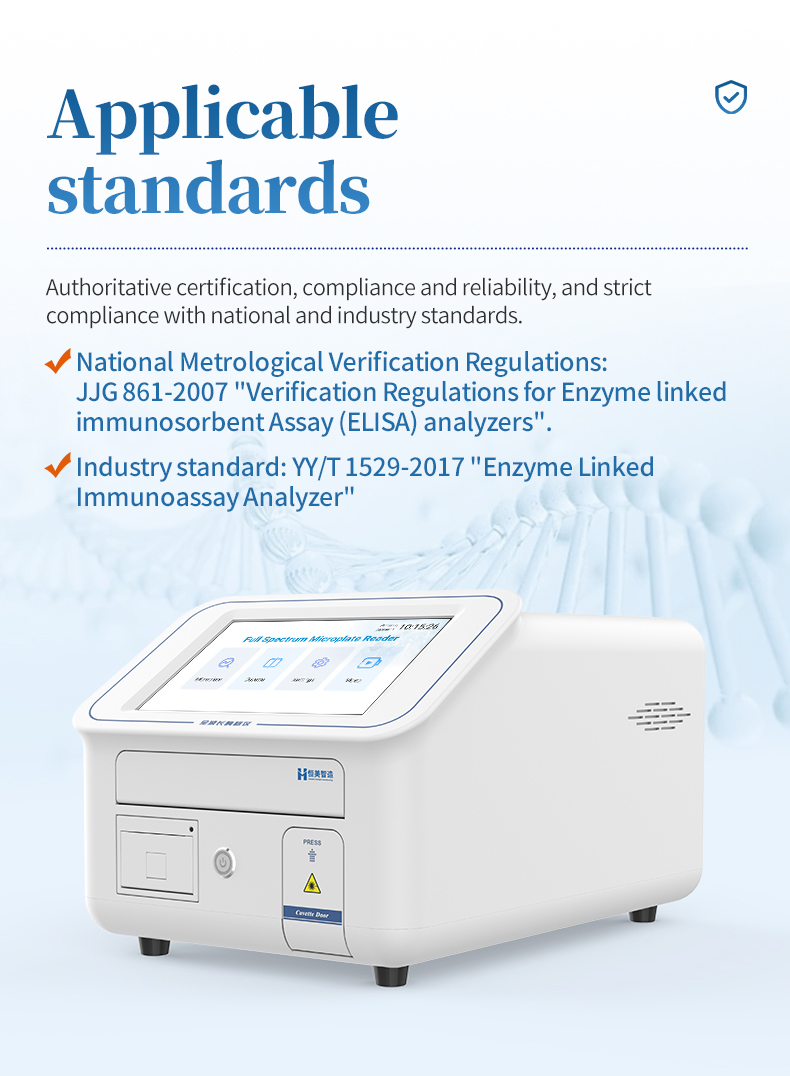
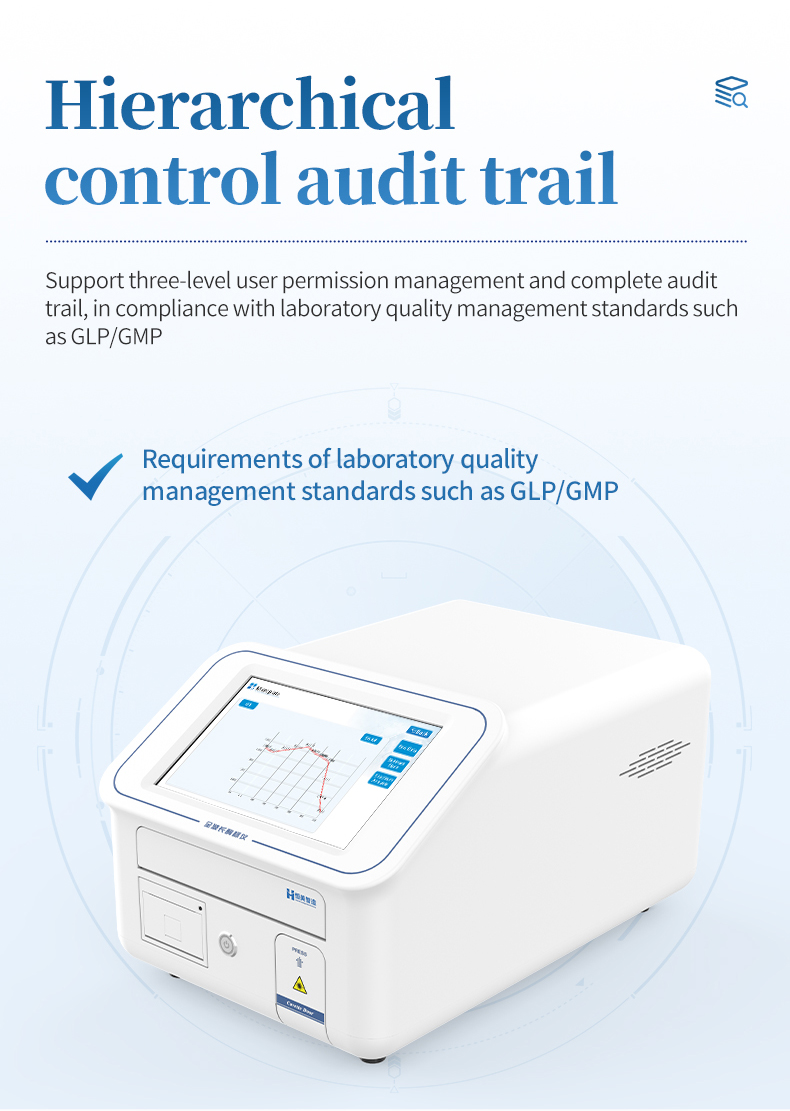
Regulatory compliance is non-negotiable in pharmaceutical and clinical environments. The HM-384Q implements three-level user permission management with password protection, automatic session timeout, and an immutable audit trail timestamping every method modification, calibration event, and data export. These features support 21 CFR Part 11 readiness for laboratories subject to FDA inspection. Data can be printed via the built-in thermal printer or exported in Excel and PDF formats via USB for LIMS integration. For practical guidance on microplate reader troubleshooting and maintenance, refer to our technical FAQ and troubleshooting guide.
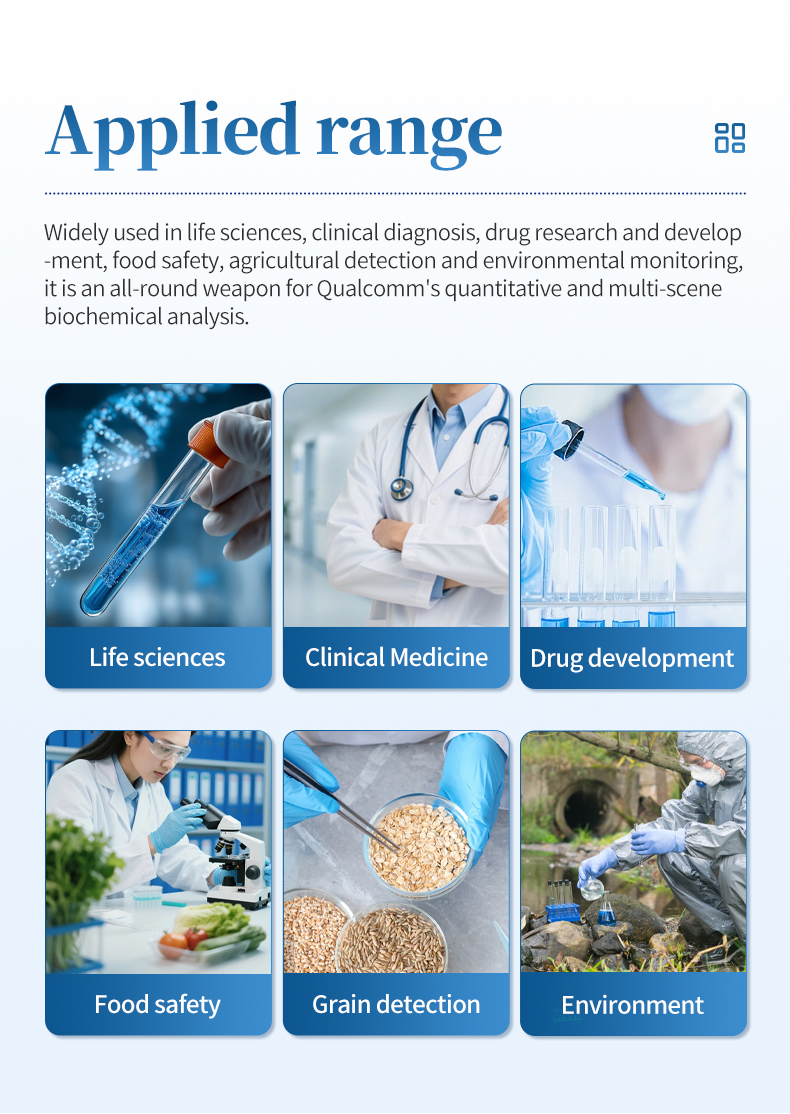
Applications
- Pharmaceutical high-throughput screening: 384-well compound library screening enables 4× throughput versus 96-well format, reducing reagent consumption per assay point and accelerating hit identification.
- ADMET profiling: Absorption, distribution, metabolism, excretion, and toxicity assays benefit from full spectral coverage to accommodate diverse chromogenic and fluorogenic substrates at optimal wavelengths.
- Biologics quality control: Protein A280 quantification, endotoxin LAL assays, and aggregation analysis by UV-Vis spectroscopy require wavelength flexibility unavailable on filter-based instruments.
- Clinical biomarker screening: ELISA-based serological assays for infectious disease markers and autoimmune antibodies, with kinetic readouts for endpoint confirmation.
- Environmental water quality: Colorimetric quantification of heavy metals, nutrient loads, and organic pollutants at wavelength-optimized detection protocols across UV and visible regions.
- Food safety testing: Allergen screening (gluten, peanut), mycotoxin detection (aflatoxin, ochratoxin), and pesticide residue analysis using ELISA methods with customizable wavelength selection.
- Academic research: Enzyme kinetics, DNA/RNA quantification, and cell proliferation assays requiring flexible spectral scanning and temperature-controlled incubation.
Key Features & Advantages
- 384-well plate density quadruples throughput: Each 384-well plate holds four times the samples of a 96-well plate, reducing reagent volumes and accelerating compound library screening campaigns.
- 76-second 384-well precision read: Precision-mode full-plate measurement completes in under 76 seconds, balancing speed with the CV < 0.5% repeatability required for quantitative dose-response curves.
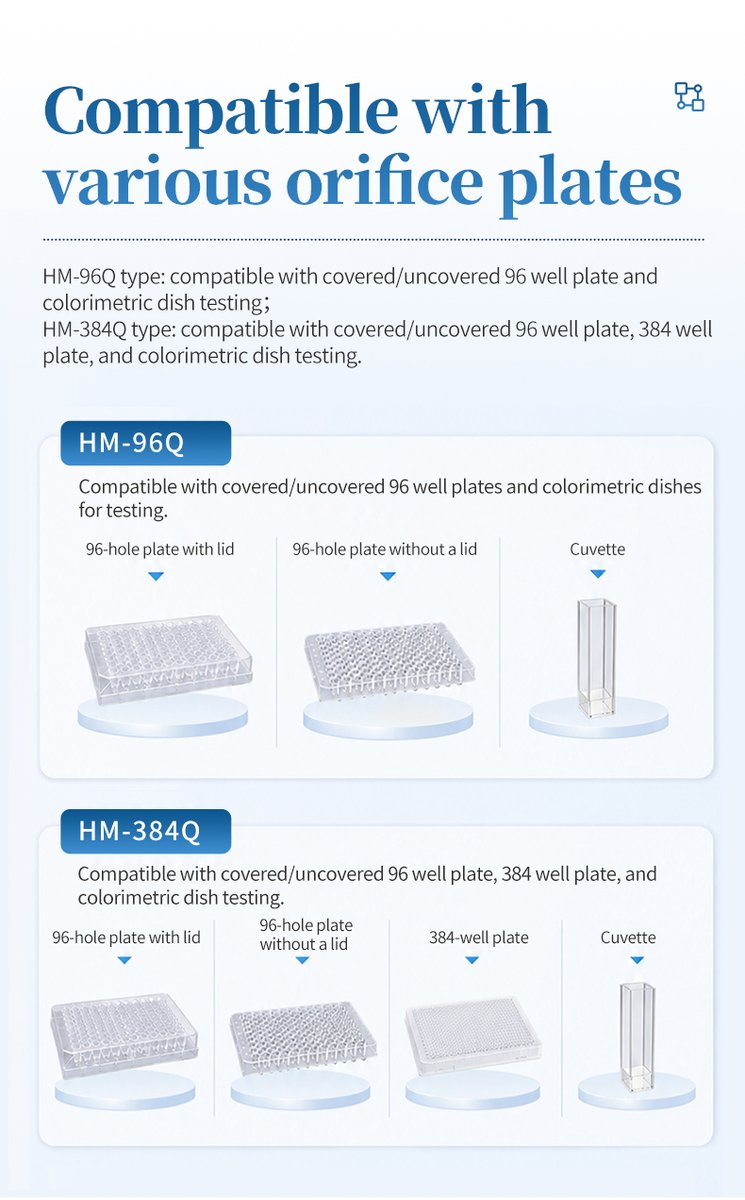
- Dual-format flexibility eliminates instrument redundancy: Supports lidded and lidless 384-well and 96-well microplates plus cuvettes, consolidating high-throughput and reference-method workflows on one platform.
- Full spectrum 190-1100 nm replaces filter sets: Continuous wavelength selection enables empirical optimization for novel assays without purchasing additional optical filters.
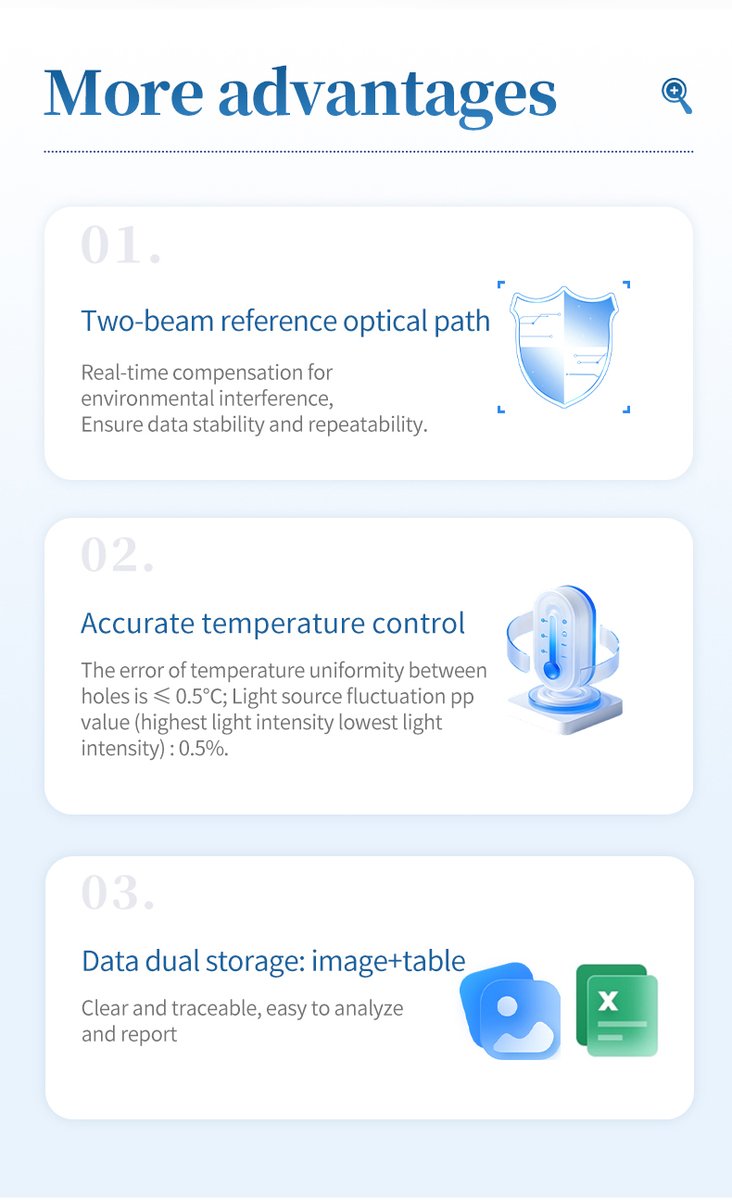
- Dual-beam reference architecture ensures batch consistency: Real-time optical compensation cancels lamp drift and thermal variation across long screening sequences, preserving IC50 curve integrity.
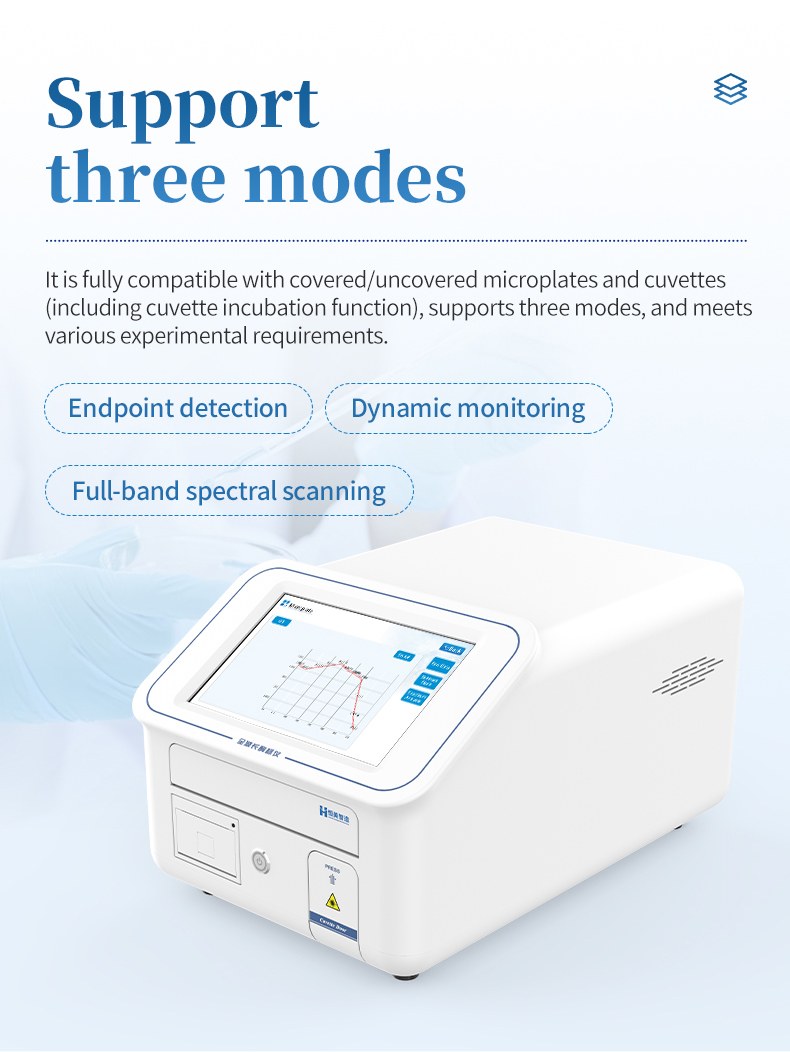
- Three-mode detection versatility: Endpoint quantification, real-time kinetic monitoring, and full spectral scanning accommodate ELISA, enzyme inhibition, and nucleic acid purity assessment without hardware changes.
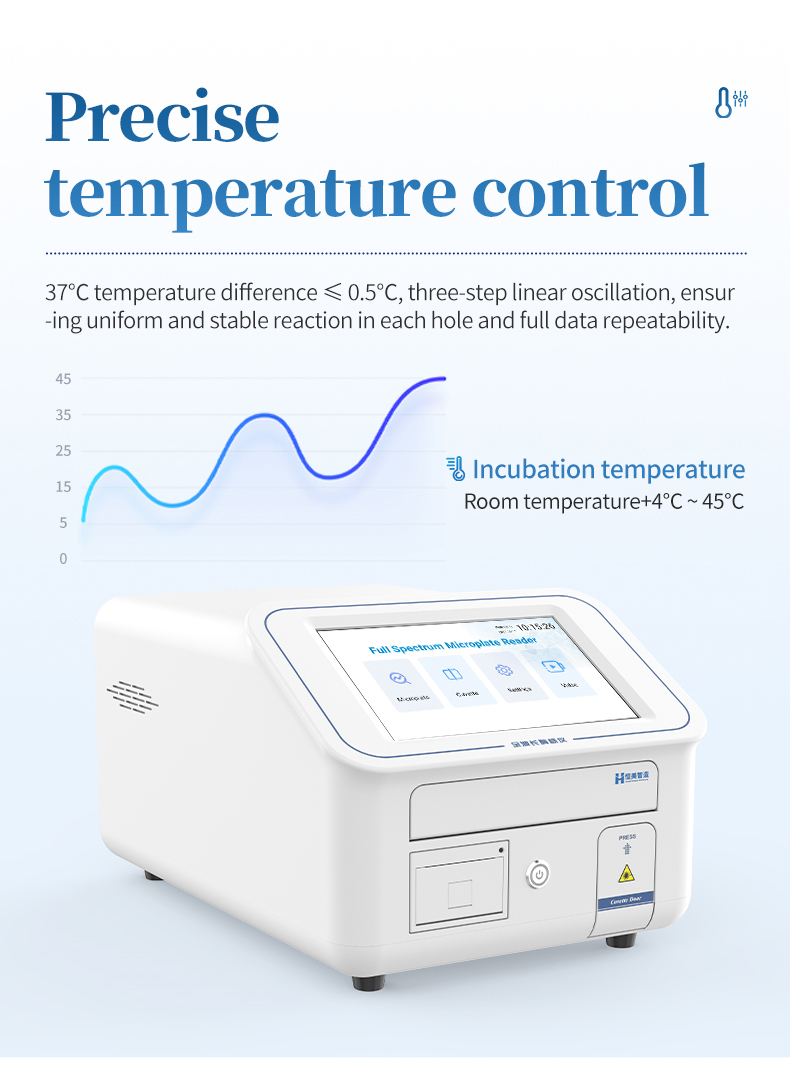
- Temperature-controlled incubation with shaking: RT+4 to 45 ℃ range with ±0.5 ℃ uniformity and three-speed linear shaking enables on-deck enzyme reactions and cell-based assays without external incubators.
- GLP/GMP-compliant compliance infrastructure: Three-level user permissions, immutable audit trails, and timestamped data records support 21 CFR Part 11 readiness for FDA-regulated laboratories.
Technical Specifications
| Parameter | Specification |
|---|---|
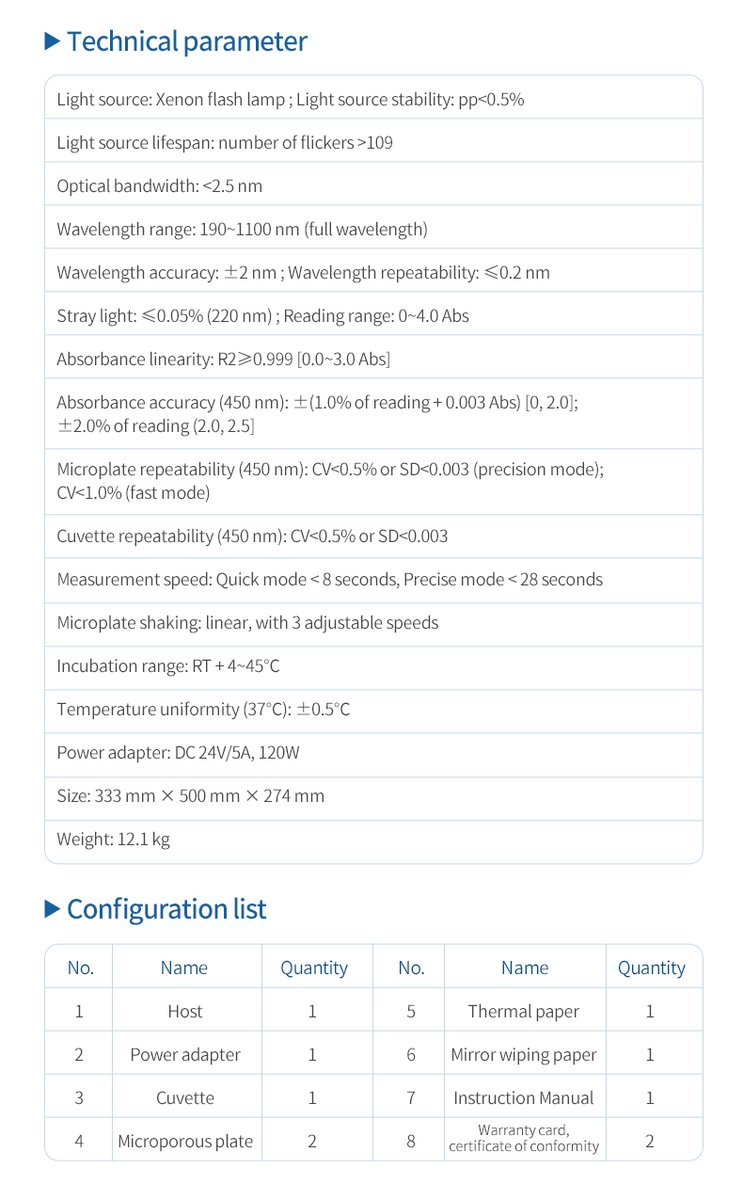
| Light Source | Xenon flash lamp |
| Source Stability | pp < 0.5% |
| Source Lifetime | Flash count > 10⁹ |
| Spectral Bandwidth | < 2.5 nm |
| Wavelength Range | 190 ~ 1100 nm (full spectrum) |
| Wavelength Accuracy | ± 2 nm |
| Wavelength Repeatability | ≤ 0.2 nm |
| Stray Light | ≤ 0.05% (at 220 nm) |
| Reading Range | 0 ~ 4.0 Abs |
| Absorbance Linearity | R² ≥ 0.999 [0.0 ~ 3.0 Abs] |
| Absorbance Accuracy (450 nm) | ±(1.0% of reading + 0.003 Abs) [0, 2.0]; ±2.0% of reading (2.0, 2.5] |
| Microplate Repeatability (450 nm) | CV < 0.5% or SD < 0.003 (precision mode); CV < 1.0% (fast mode) |
| Cuvette Repeatability (450 nm) | CV < 0.5% or SD < 0.003 |
| Microplate Plate Type | 384-well and 96-well |
| Measurement Speed | Fast mode (96) < 8 s; Precision mode (96) < 28 s; Precision mode (384) < 76 s |
| Microplate Shaking | Linear, 3 speeds adjustable |
| Incubation Range | RT + 4 ~ 45 ℃ |
| Temperature Uniformity (37 ℃) | ± 0.5 ℃ |
| Power Adapter | DC 24V / 5A, 120W |
| Dimensions | 333 mm × 500 mm × 274 mm |
| Weight | 12.1 kg |
FAQ
A 384-well plate accommodates four times the sample positions of a 96-well plate. In precision mode, the HM-384Q completes a 384-well plate read in under 76 seconds versus 28 seconds for 96-well plates. Reagent volumes per well decrease from 100-200 μL to 20-50 μL, translating to 75% reduction in reagent costs for compound libraries of 10,000+ entries.
The system implements three-tier user permissions with password authentication and automatic session lockout. Every method change, calibration event, and data export is timestamped and logged to an immutable audit trail. User identity is embedded in each data record, and the audit trail cannot be modified or deleted by end users.
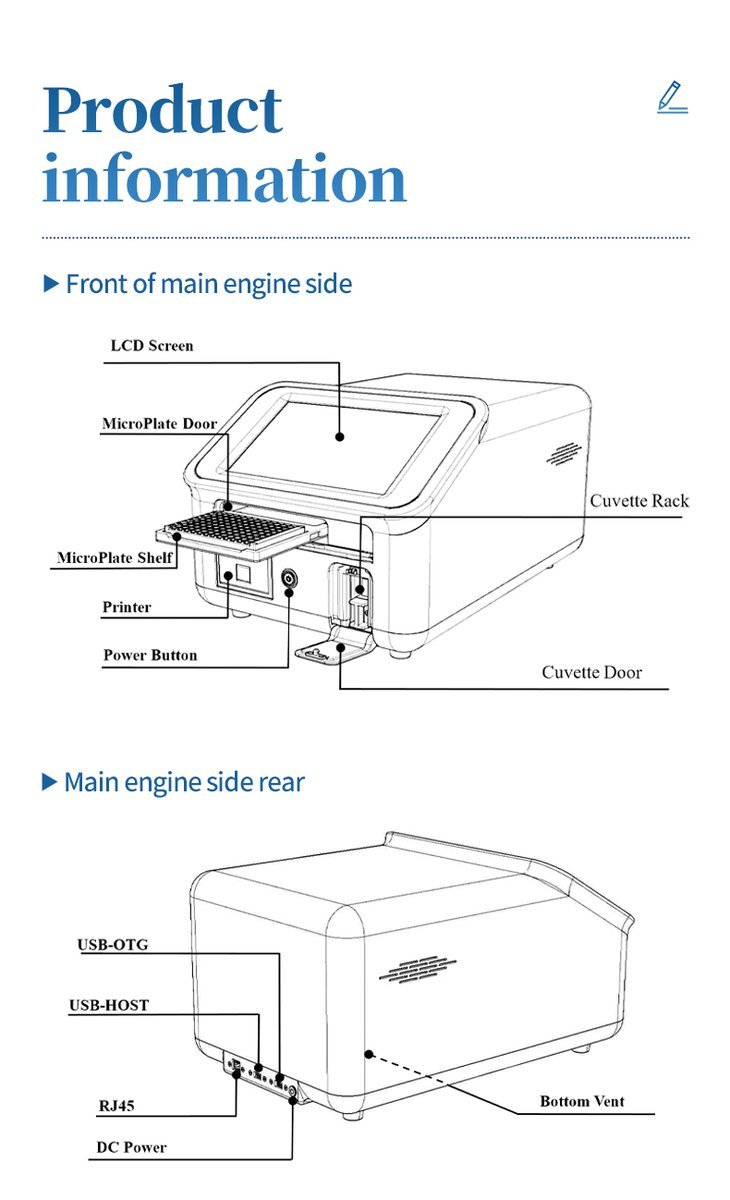
The instrument supports dual-format data export via USB in Excel and PDF formats, plus a built-in thermal printer. Wi-Fi enables cloud-based firmware updates and wireless data upload. RJ45 Ethernet supports network integration, and all exported data includes embedded metadata linking measurements to user identity, timestamp, and method parameters.
Article address:https://www.molecularbio.cn/pro10/high-throughput-microplate-analysis-system-6.html