

 Current location: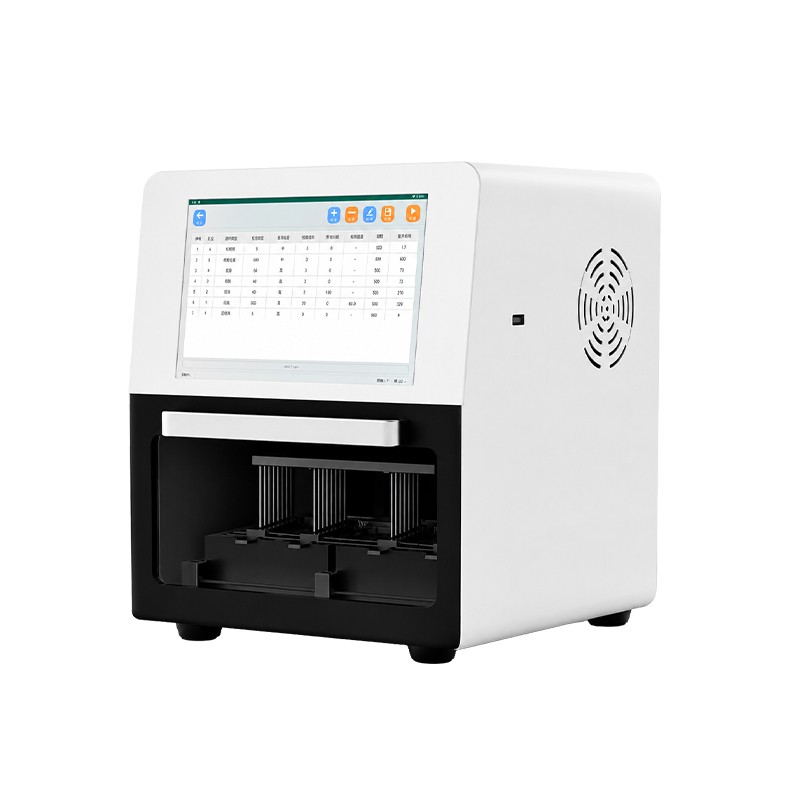
 +86
17853698681
+86
17853698681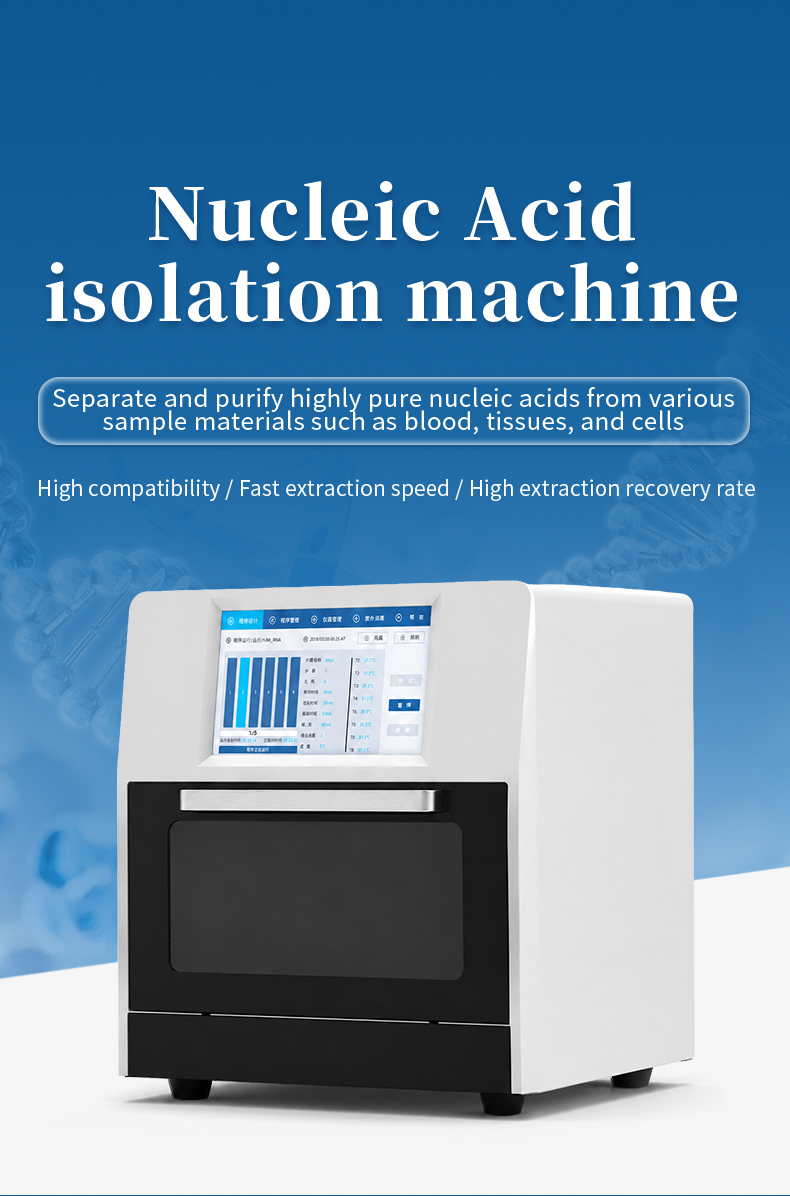
Product Introduction
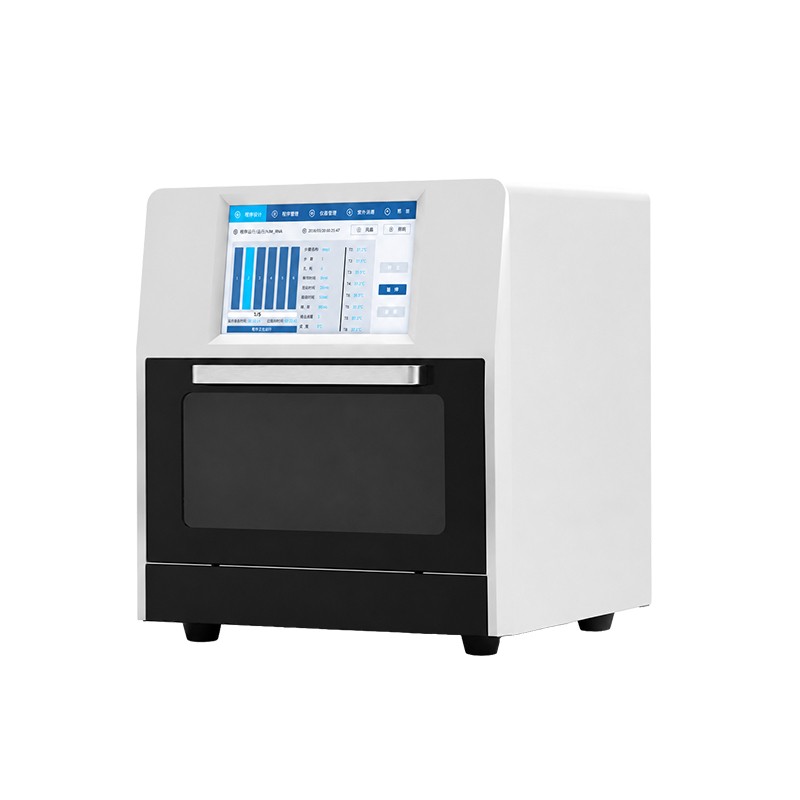
Molecular pathology laboratories and agricultural genomics facilities share a common technical challenge: many of their most important sample types resist standard extraction conditions. FFPE tissue blocks require temperatures above 100°C to reverse formaldehyde crosslinks and release nucleic acids. Plant tissues contain rigid cellulose and lignin cell walls that demand aggressive thermal lysis. Fungal specimens with chitin-rich cell walls similarly resist conventional 56–95°C protocols. The HM-TQ32 from HM Instruments addresses these difficult matrices head-on with an extended temperature range reaching 120°C — a capability typically reserved for instruments costing twice as much.
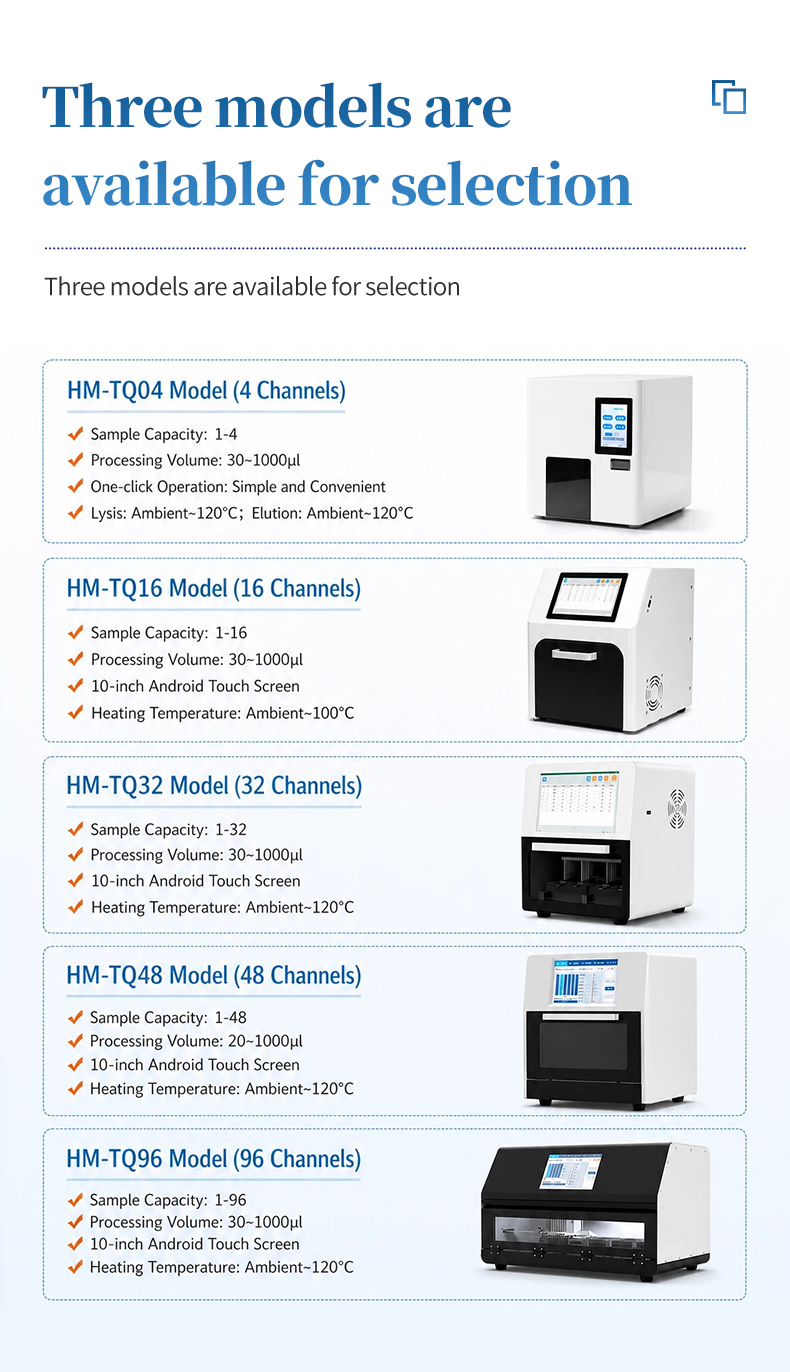
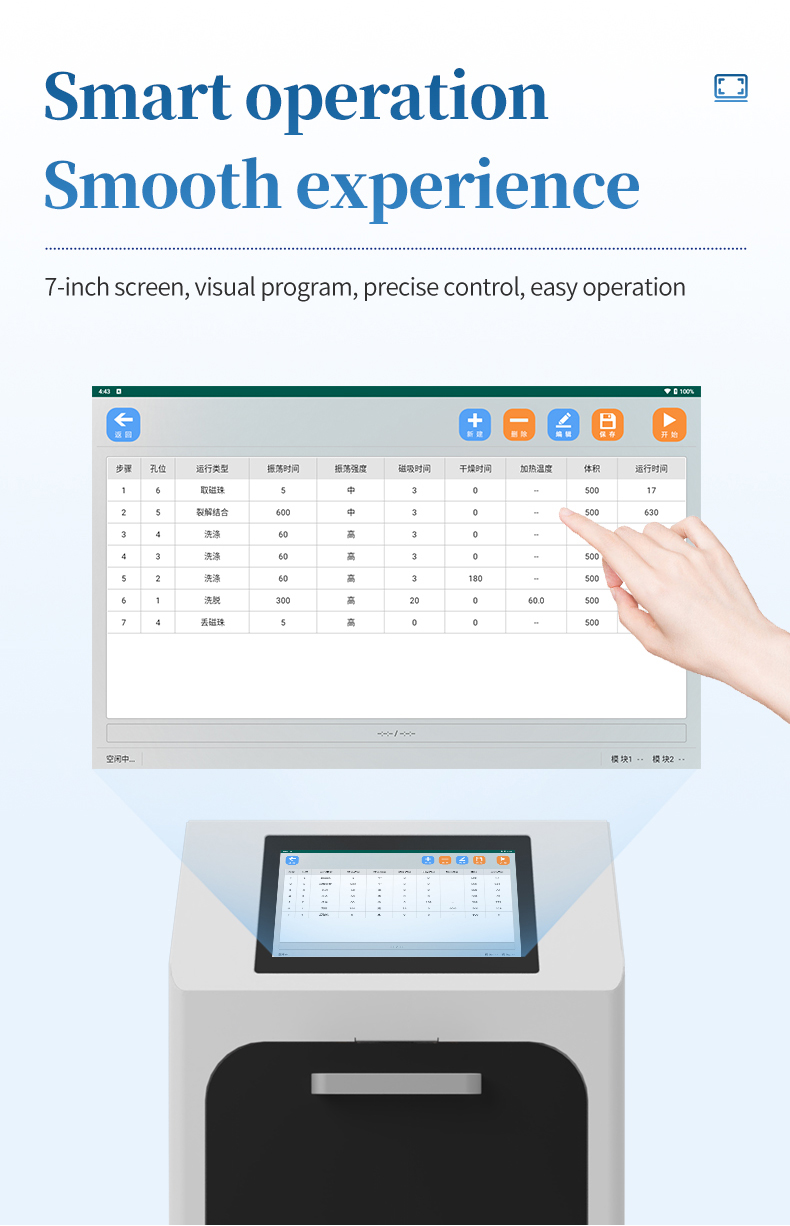
With 32 channels processing simultaneously, the HM-TQ32 handles the moderate throughput demands of regional hospital pathology departments and university agricultural research facilities. Ethernet connectivity enables direct integration with hospital laboratory information systems and agricultural research databases, while the Android color LCD touchscreen provides intuitive protocol management for over 500 stored extraction methods. See our technical FAQ for detailed extraction method guidance.
Applications
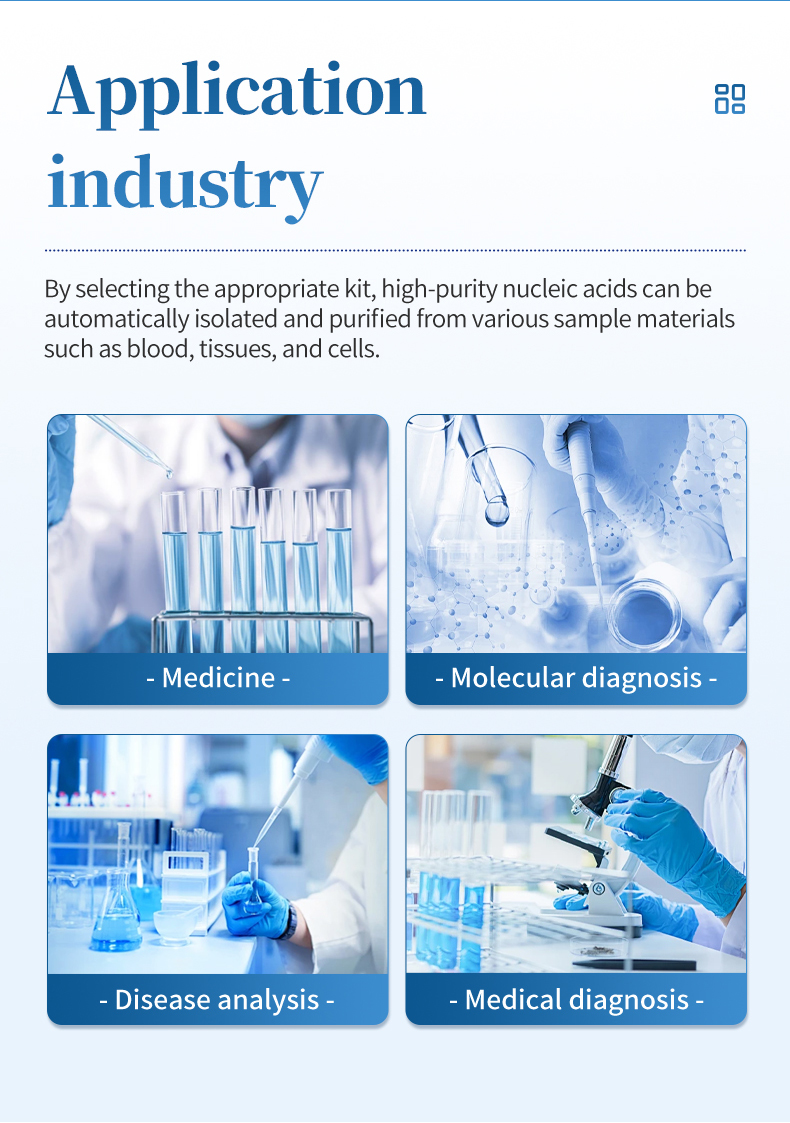
Molecular pathology: DNA and RNA extraction from FFPE tumor blocks for oncology molecular profiling and companion diagnostics
Agricultural genomics: Plant leaf, seed, and root tissue lysis for crop breeding and disease resistance gene mapping
Mycology research: Fungal culture and environmental specimen extraction for species identification and antifungal resistance testing
Forensic laboratories: Degraded DNA recovery from aged bone, teeth, and hair root specimens
Veterinary pathology: Animal tissue biopsy processing for tumor genotyping and infectious disease diagnosis
Key Features & Advantages
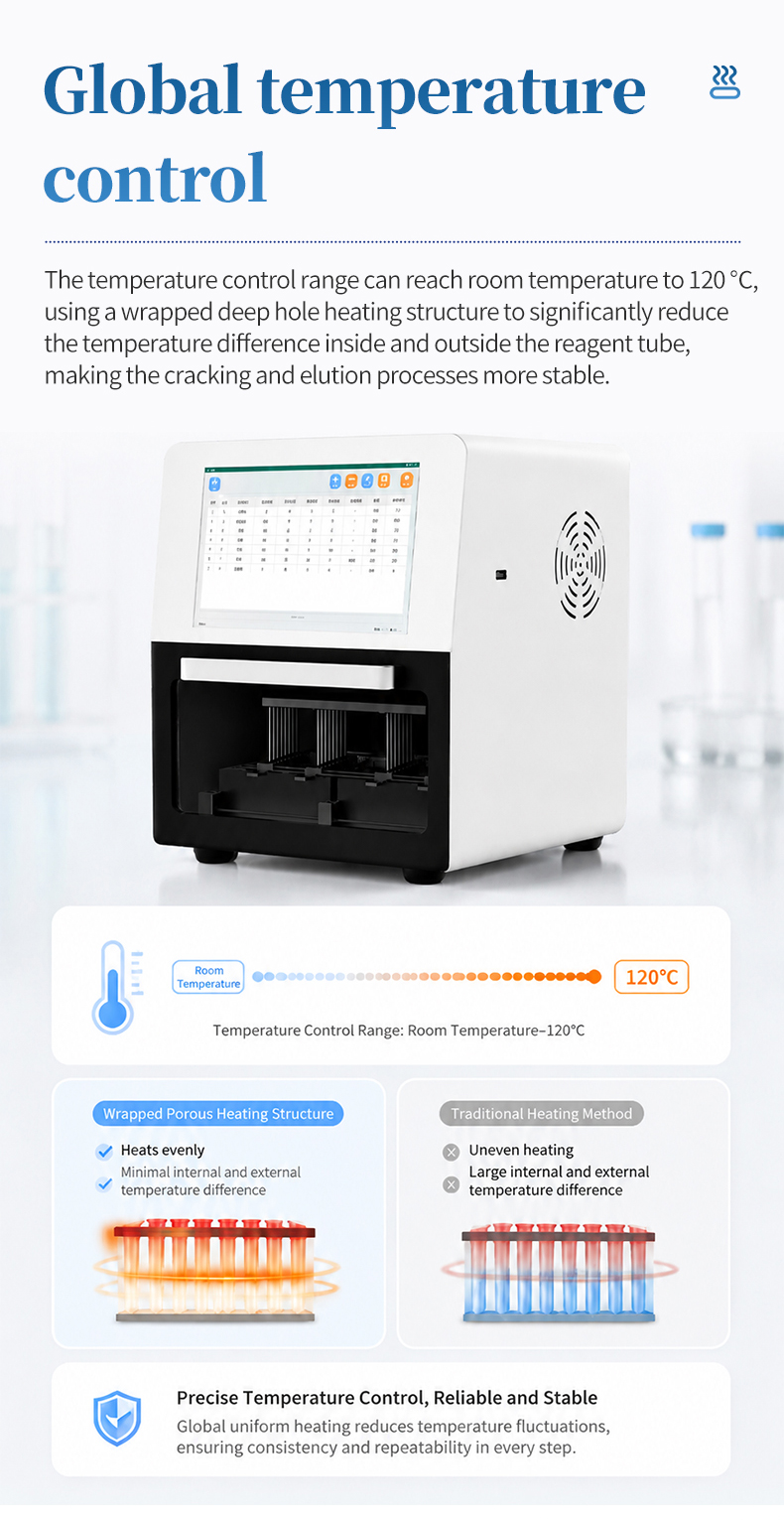
120°C extended heating: Lyses matrices that standard 95°C systems cannot process — FFPE blocks, lignified plant tissues, and chitinous fungal cell walls
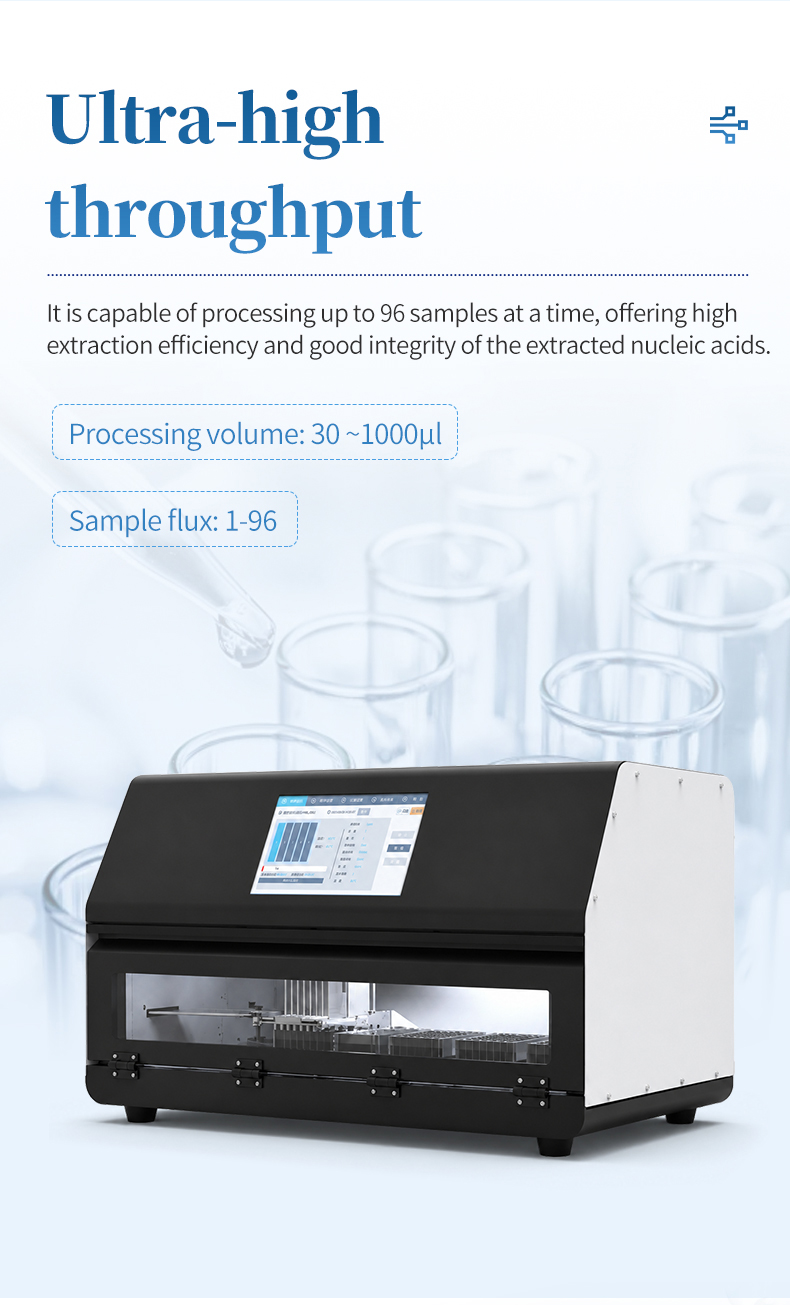
32-channel mid-range throughput: Processes a full pathology batch of 32 specimens in 10–40 minutes, matching typical daily specimen volumes
Ethernet LIMS integration: Direct network connection to hospital information systems eliminates manual data entry and transcription errors
Open reagent flexibility: Select FFPE-optimized or plant-specific kits from any manufacturer — no vendor lock-in for specialized applications
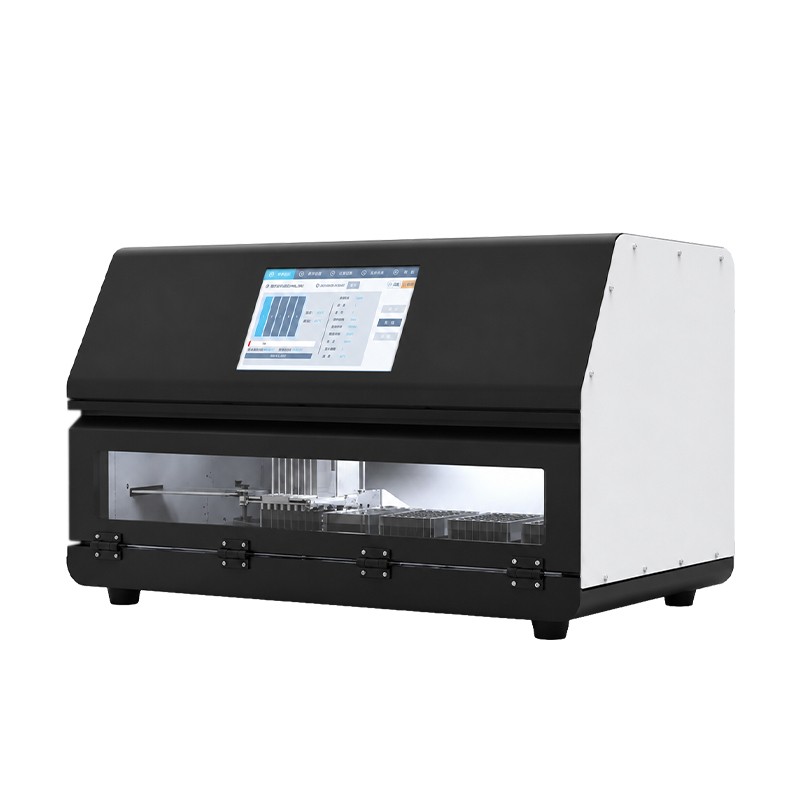
32 dedicated magnetic rods: Individual rod per channel prevents cross-talk between adjacent positions during difficult matrix extraction
CV<5% consistency: Reliable inter-well performance for quantitative downstream analyses including qPCR and digital PCR
LED extraction monitoring: Visual progress indication allows operators to verify cycle status without interrupting the touchscreen interface
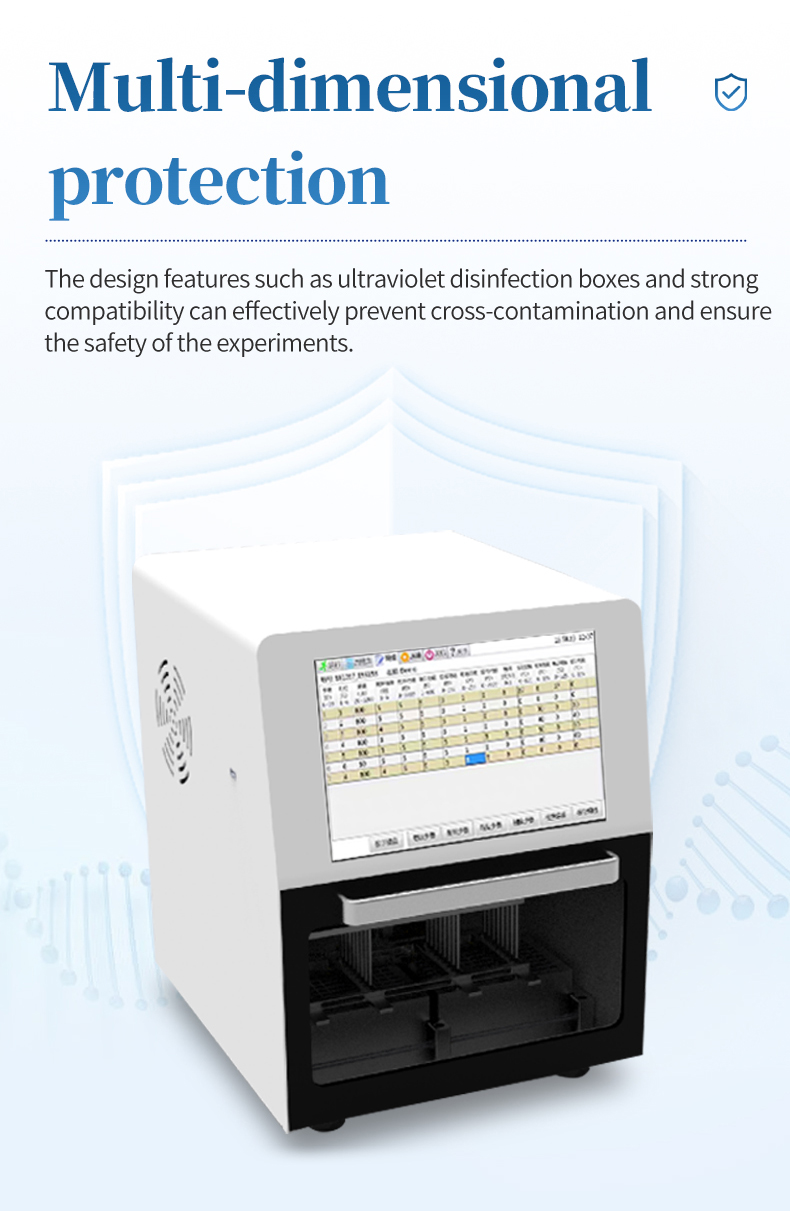
UV disinfection: Automated between-run sterilization critical for shared pathology and research core facilities
500+ program library: Store separate optimized protocols for FFPE, plant, fungal, and standard sample categories
HM Instruments support: 280 after-sales points with 24-hour response and blockchain-verified ISO9001 certification
Technical Specifications
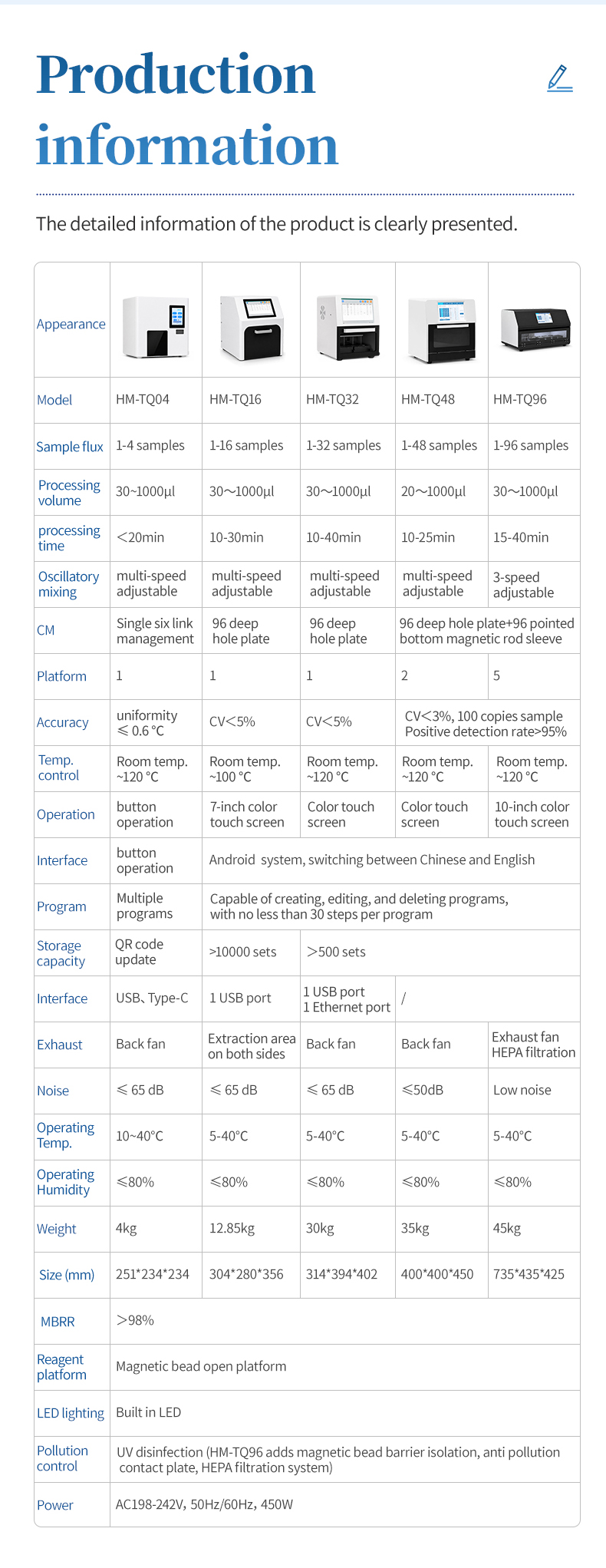
| Specification | HM-TQ32 |
|---|---|
| Extraction Method | Magnetic Bead |
| Max Channels | 32 |
| Magnetic Rods | 32 |
| Processing Volume | 30–1000 μl |
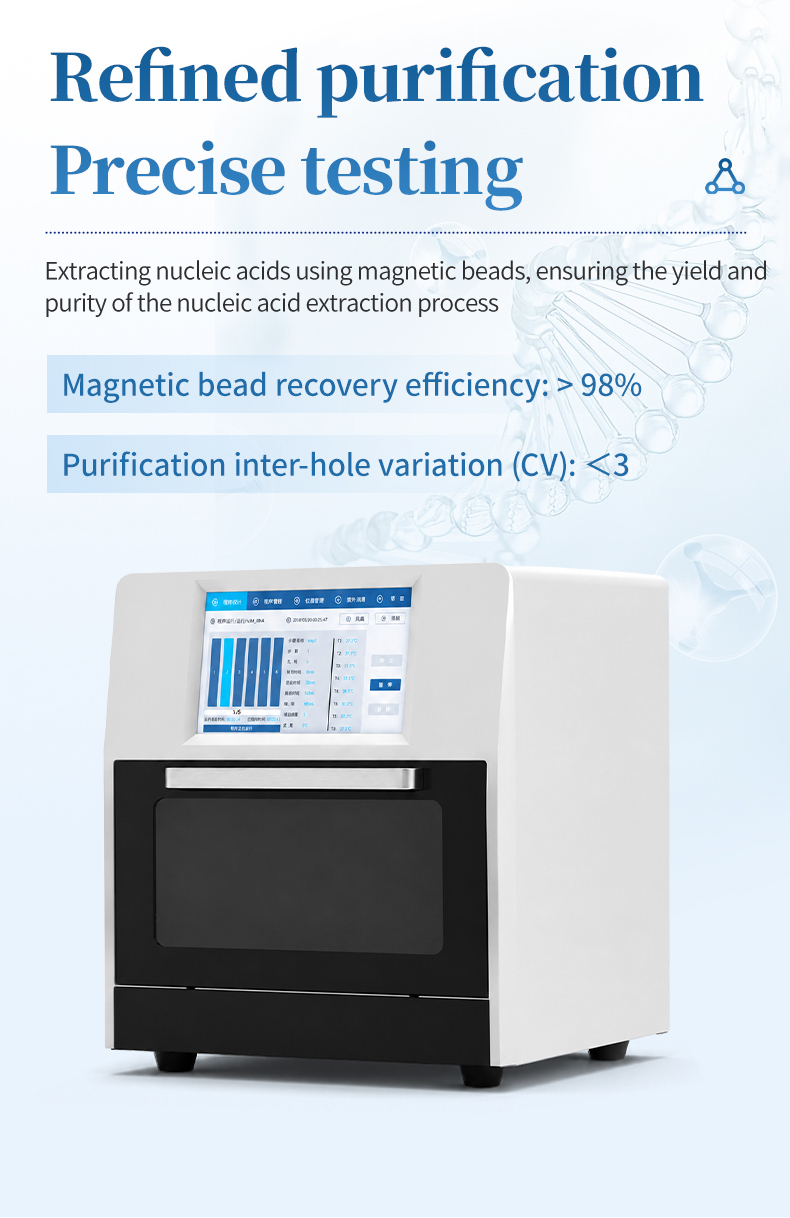
| Magnetic Bead Recovery | >98% |
| CV (Inter-well) | <5% |
| Processing Time | 10–40 min |
| Temperature Range | Ambient–120°C |
| Reagent Platform | Open |
| Display | Android Color LCD |
| Program Storage | >500 |
| Noise Level | ≤65 dB |
| UV Disinfection | Yes |
| LED Illumination | Yes |
| Connectivity | USB + Ethernet |
| Power Supply | AC 198–242V / 450W |
| Operating Conditions | 5–40°C, ≤80% RH |
| Dimensions (mm) | 314×394×402 |
| Weight | 30 kg |
FAQ
Q1: Why is 120°C important for FFPE tissue extraction?
Formalin fixation creates methylene bridges that crosslink proteins and nucleic acids. Reversing these crosslinks requires sustained temperatures above 100°C. Standard extraction systems limited to 95°C often yield fragmented, low-quality nucleic acids from FFPE blocks. The HM-TQ32's 120°C capability, combined with FFPE-optimized magnetic bead kits containing proteinase K and specialized buffers, achieves more complete crosslink reversal and higher molecular weight DNA recovery from archived pathology specimens.
Q2: Can the HM-TQ32 extract nucleic acids from plant samples high in polysaccharides?
Yes. Plant tissues rich in polysaccharides and polyphenols require both aggressive thermal lysis and specialized buffer chemistry. The HM-TQ32's 120°C heating disrupts tough plant cell walls, while the open platform allows use of plant-specific magnetic bead kits containing CTAB or PVP additives designed to sequester polysaccharides and polyphenols during purification. This combination produces clean genomic DNA suitable for PCR and next-generation sequencing.
Q3: How does Ethernet connectivity benefit hospital pathology workflows?
Ethernet connectivity enables the HM-TQ32 to communicate directly with hospital laboratory information systems (LIS) and electronic health records. Extraction logs, sample identifiers, and quality metrics can be automatically uploaded to the LIS without manual data entry, reducing transcription errors and supporting regulatory compliance for CAP and ISO 15189 accredited pathology laboratories.
Q4: What is the daily throughput capacity of the HM-TQ32?
Processing 32 samples per batch in 10–40 minutes, a single HM-TQ32 can complete approximately 8–12 batches during an 8-hour shift, yielding 256–384 extractions per day. This capacity comfortably serves regional hospital pathology departments processing 20–100 specimens daily, with headroom for surge capacity during increased diagnostic demand.
Q5: Is the HM-TQ32 compatible with downstream NGS library preparation workflows?
Yes. Nucleic acids extracted on the HM-TQ32 meet quality requirements for next-generation sequencing library preparation. The magnetic bead purification step removes inhibitors and contaminants that interfere with enzymatic library construction reactions. When combined with FFPE-optimized or plant-specific kits, the extracted DNA typically achieves DIN (DNA Integrity Number) values sufficient for targeted panel sequencing and whole-exome sequencing applications.
Expert Review
Article address:https://www.molecularbio.cn/pro12/ffpe-plant-nucleic-acid-extractor.html