

 Current location:
 +86
17853698681
+86
17853698681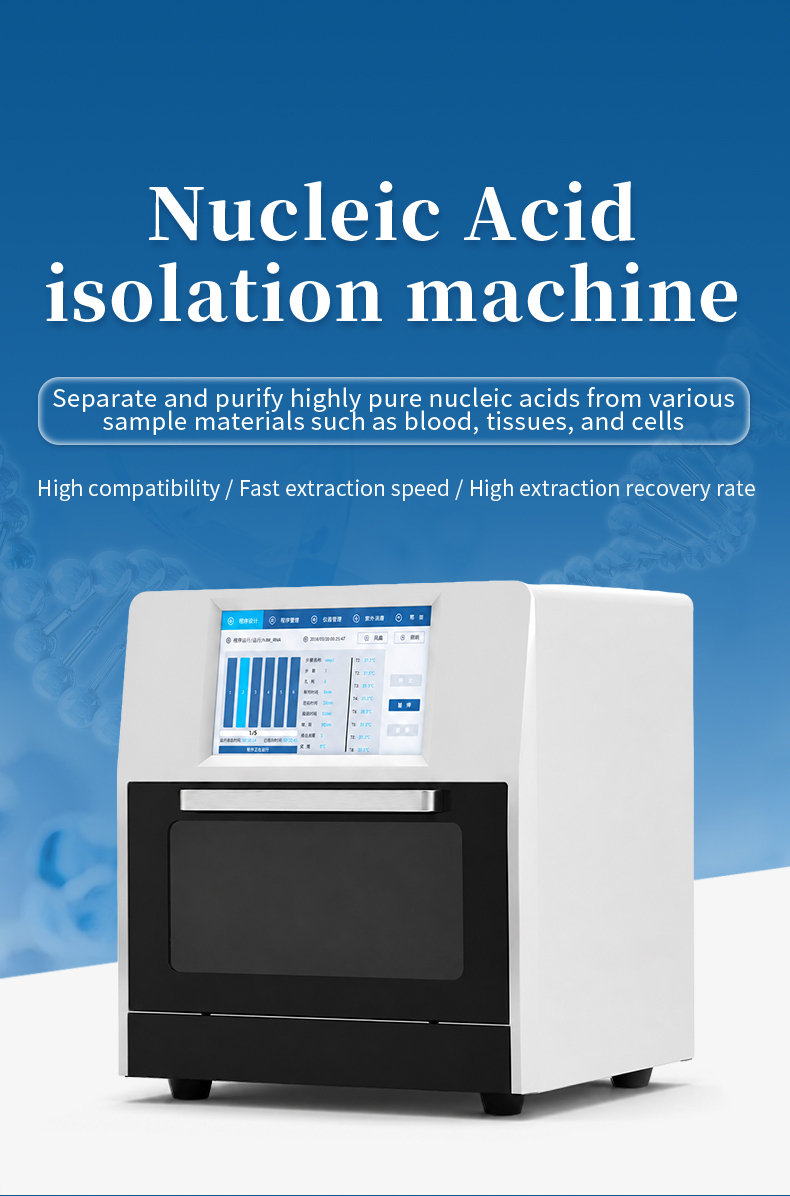
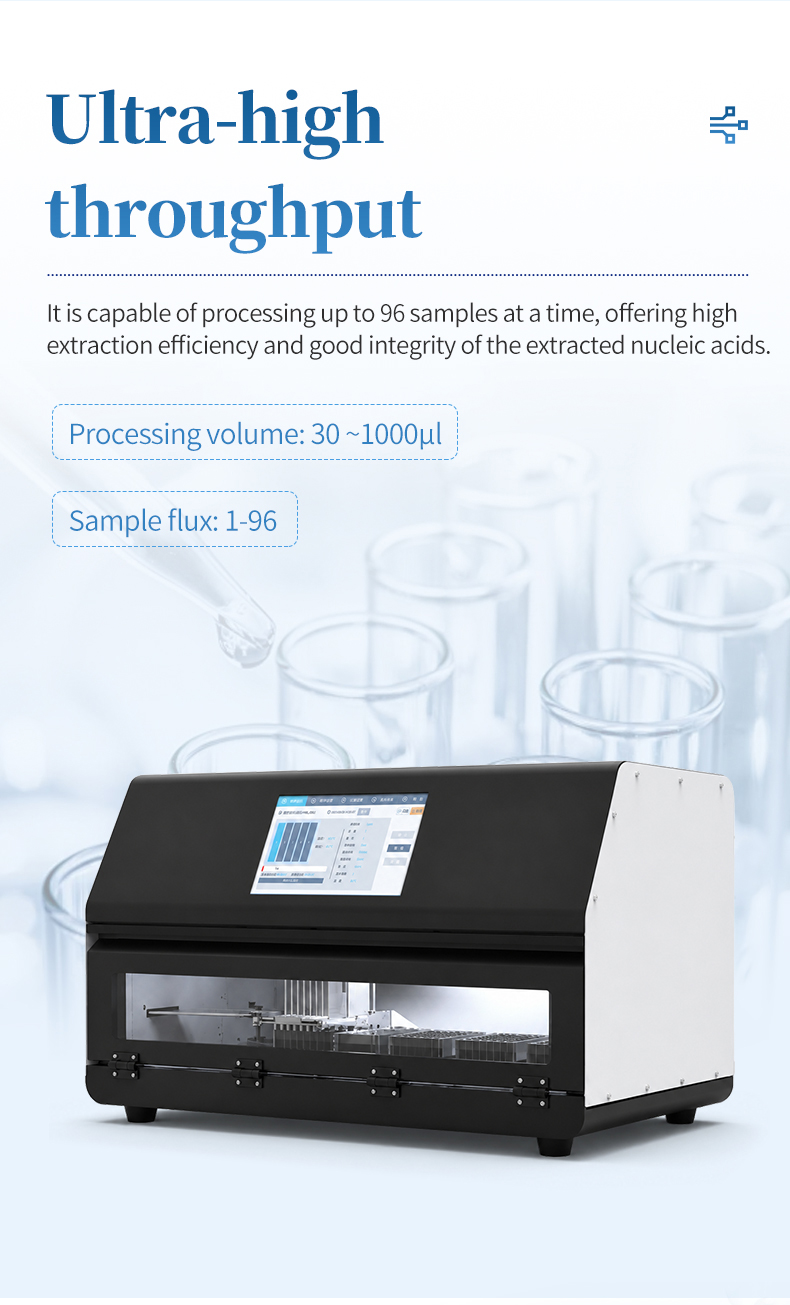
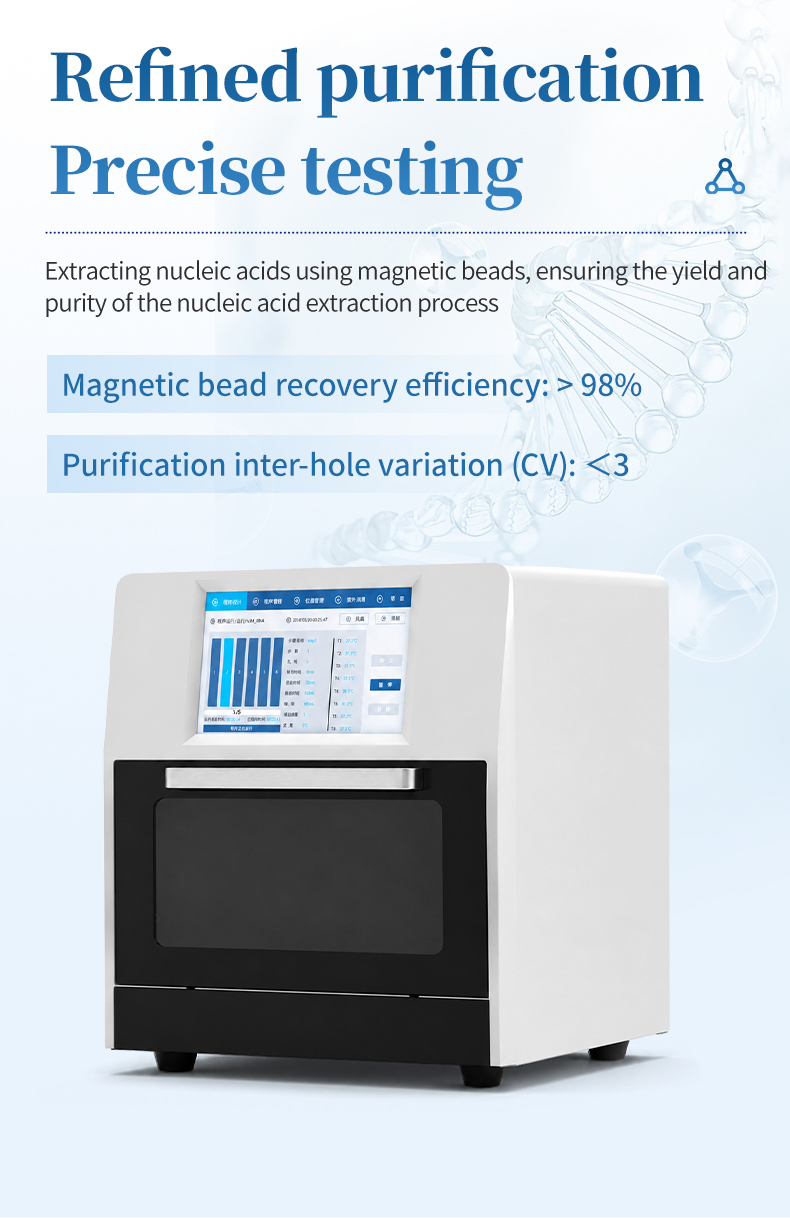
Product Introduction
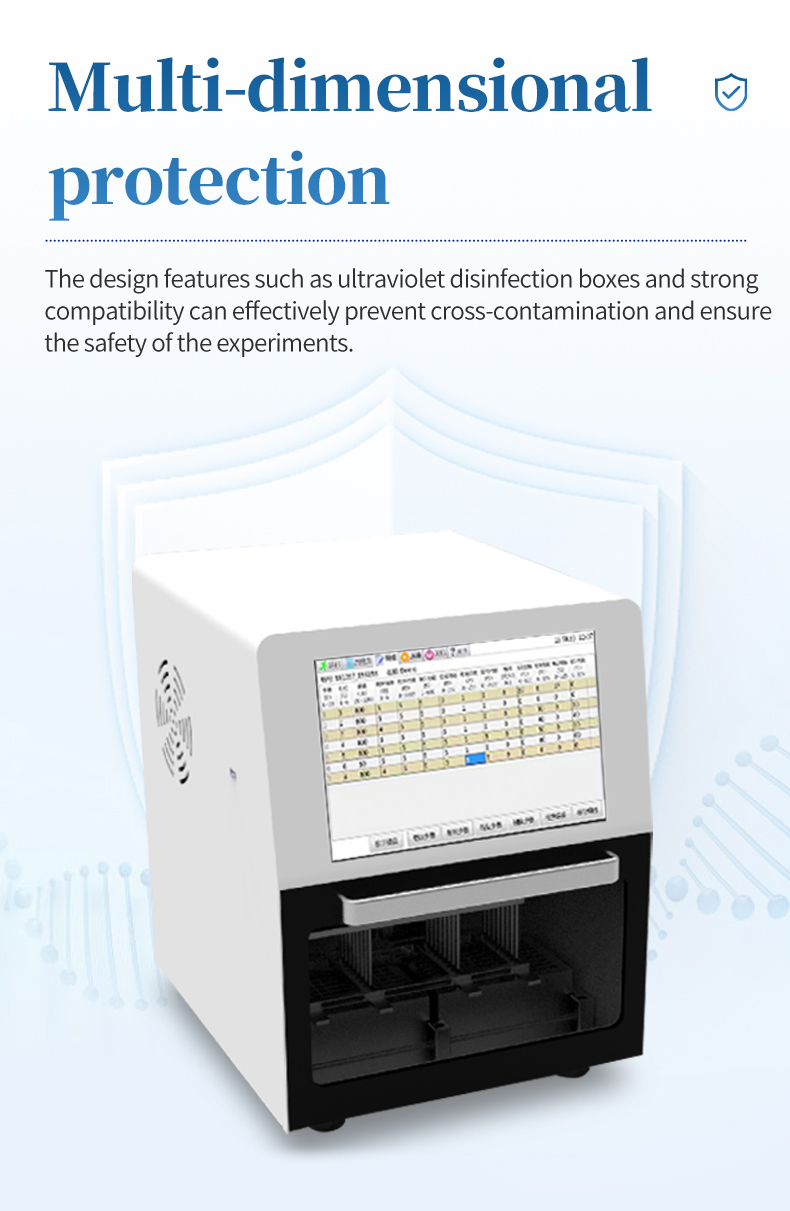
Quantitative molecular diagnostics demand extraction precision that qualitative assays do not require. When a viral load result of 10,000 copies/mL must be distinguished from 50,000 copies/mL to guide antiviral therapy decisions, extraction variability directly impacts clinical outcomes. The HM-TQ48 from HM Instruments was engineered for this precision tier — achieving inter-well CV below 3% across 48 simultaneous channels, the threshold that clinical molecular diagnostics guidelines require for quantitative PCR-based assays.
Beyond precision, the HM-TQ48 addresses the operational challenges of busy diagnostic laboratories. Barcode scanning reads sample identification directly from labeled plates, eliminating the manual transcription errors that occur when technicians handle hundreds of specimens daily. The 20 μl minimum processing volume enables extraction from pediatric micro-samples and forensic trace specimens that would be lost in larger-volume systems. For multi-site laboratory networks, protocol import/export ensures that every branch facility performs extraction with identical parameters, maintaining inter-laboratory comparability required for clinical trials and population-level surveillance programs.
The ultra-quiet operation at 50 dB or below allows the HM-TQ48 to operate in patient-adjacent environments and shared laboratory spaces without disrupting other analytical workflows. See our cost-performance comparison for total cost of ownership analysis.
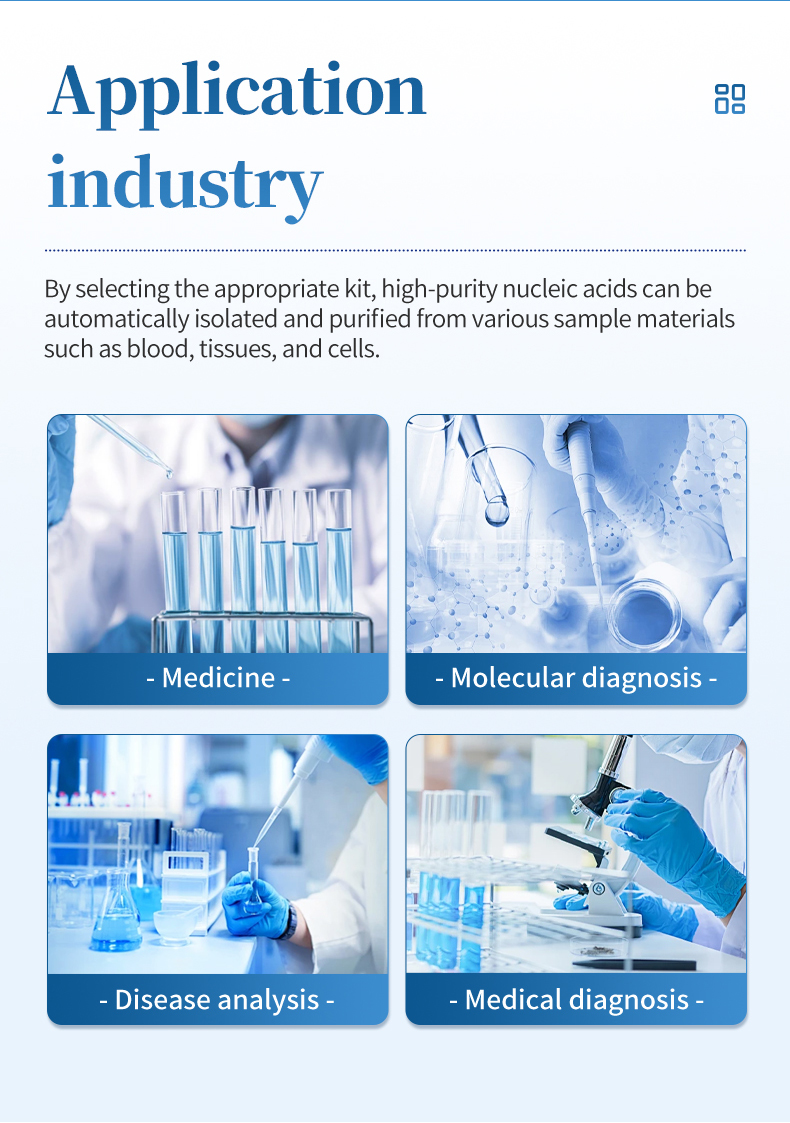
Applications
Viral load monitoring: HIV, HCV, HBV, and CMV quantitative PCR for antiviral therapy response assessment
Oncology molecular profiling: Circulating tumor DNA extraction for liquid biopsy and treatment selection
Gene expression analysis: RT-qPCR-based gene expression quantification requiring consistent RNA extraction quality
Pharmacogenomic testing: CYP450 and other drug metabolism gene copy number variation analysis
Multi-center clinical trials: Standardized extraction protocols ensuring inter-site comparability of molecular endpoints
Key Features & Advantages
CV<3% clinical precision: Meets quantitative PCR requirements for viral load standard curves, gene expression fold-change analysis, and copy number variation detection
Barcode-driven workflow: Automated sample identification eliminates transcription errors in high-volume diagnostic environments processing hundreds of specimens daily
20 μl micro-volume capability: Extract nucleic acids from pediatric blood spots, dried blood spots, forensic hair roots, and trace environmental samples without dilution
Multi-site protocol standardization: Import/export extraction protocols via USB to ensure identical parameters across branch laboratories and clinical trial sites
48 channels in 10–25 minutes: Throughput sufficient for laboratories processing 50–200 specimens per day with batch flexibility
Ultra-quiet 50 dB operation: Deploy in patient-adjacent testing areas and shared core facilities without noise disruption
Open platform economics: Third-party magnetic bead kits at $1–2 per extraction vs. $4–5 proprietary reagents — annual savings exceeding $15,000 for high-volume labs
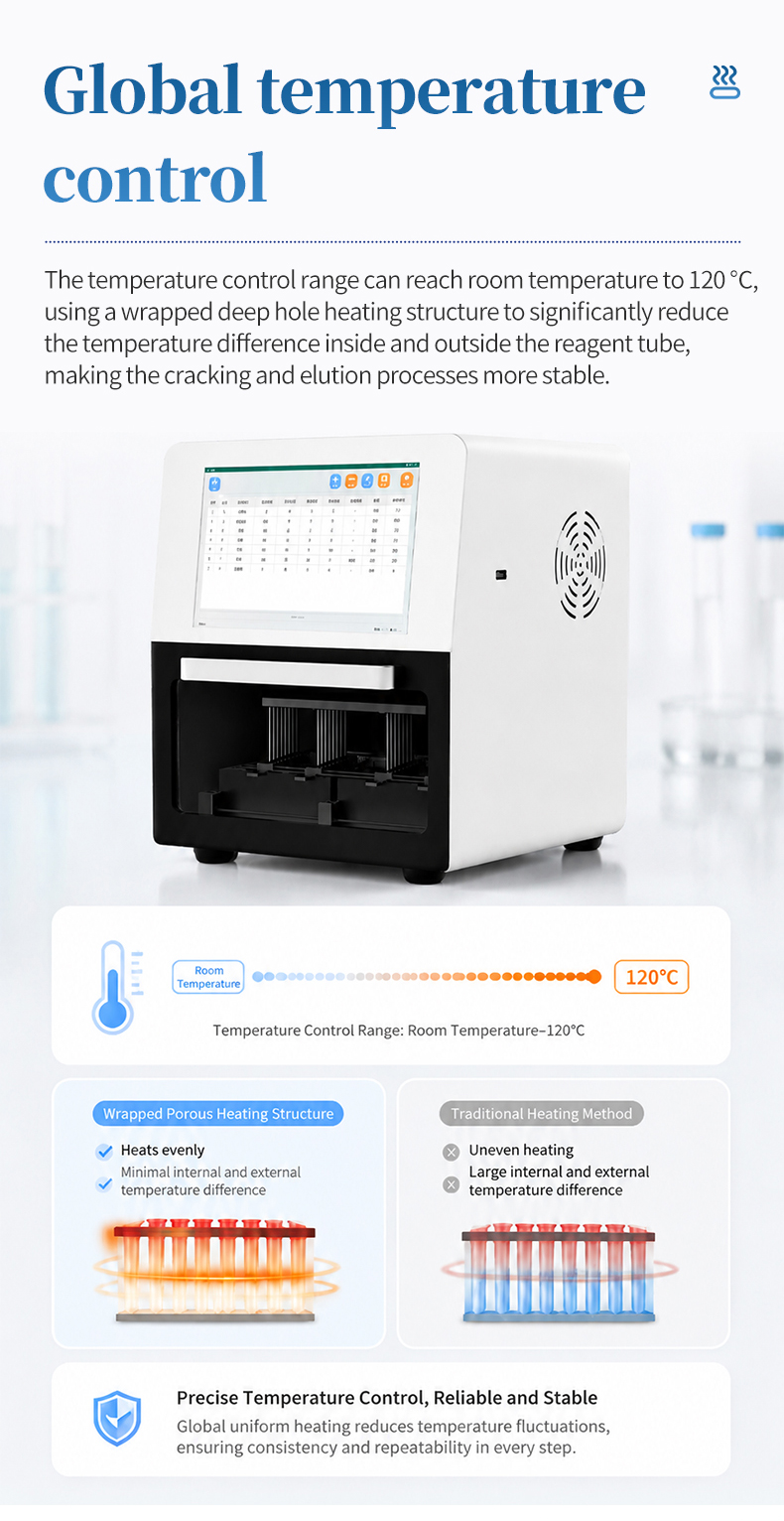
120°C extended heating: Process FFPE tissue, plant, and fungal specimens alongside routine clinical samples on the same platform
UV disinfection: Automated between-run sterilization maintaining contamination-free operation in shared multi-user environments
HM Instruments service commitment: 280 after-sales points, 24-hour response, 4-hour capital city arrival, and lifetime technical support
Technical Specifications
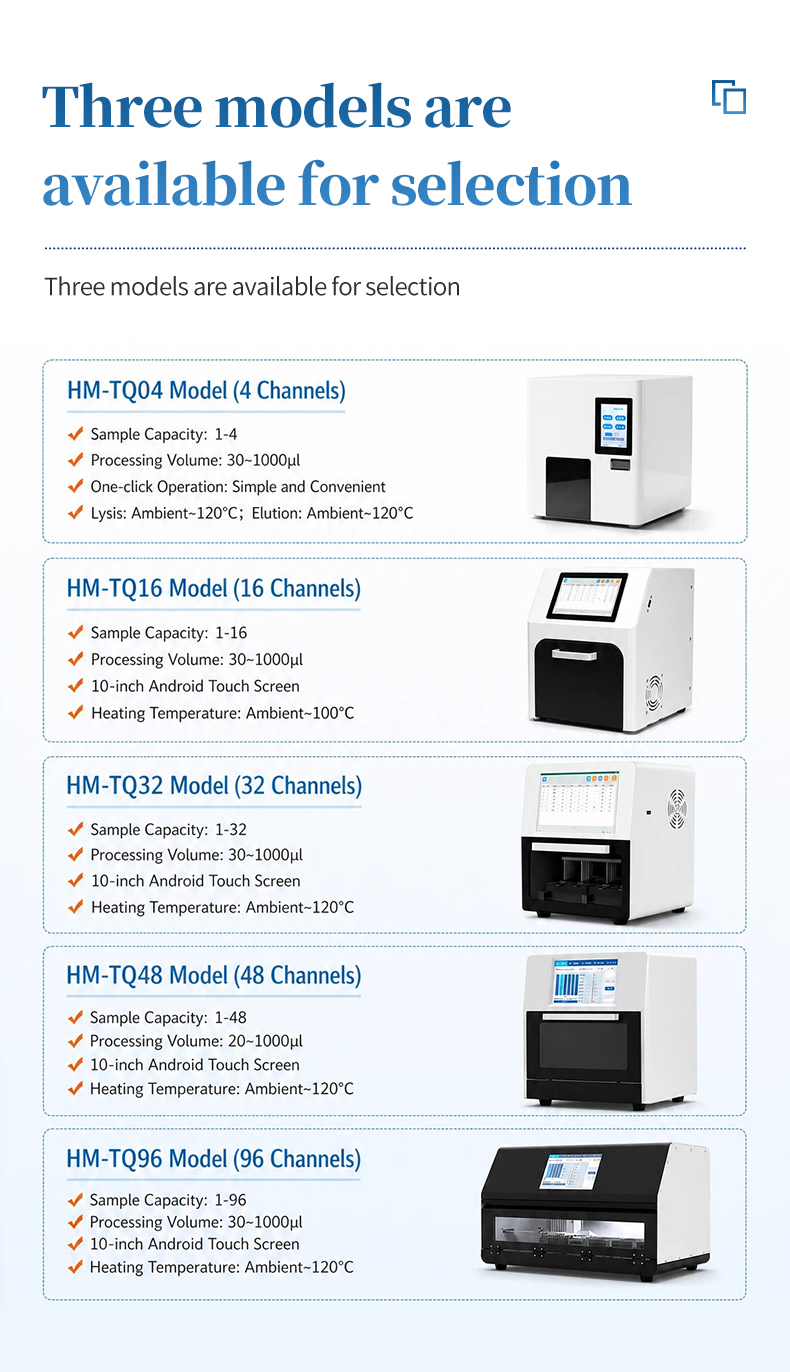
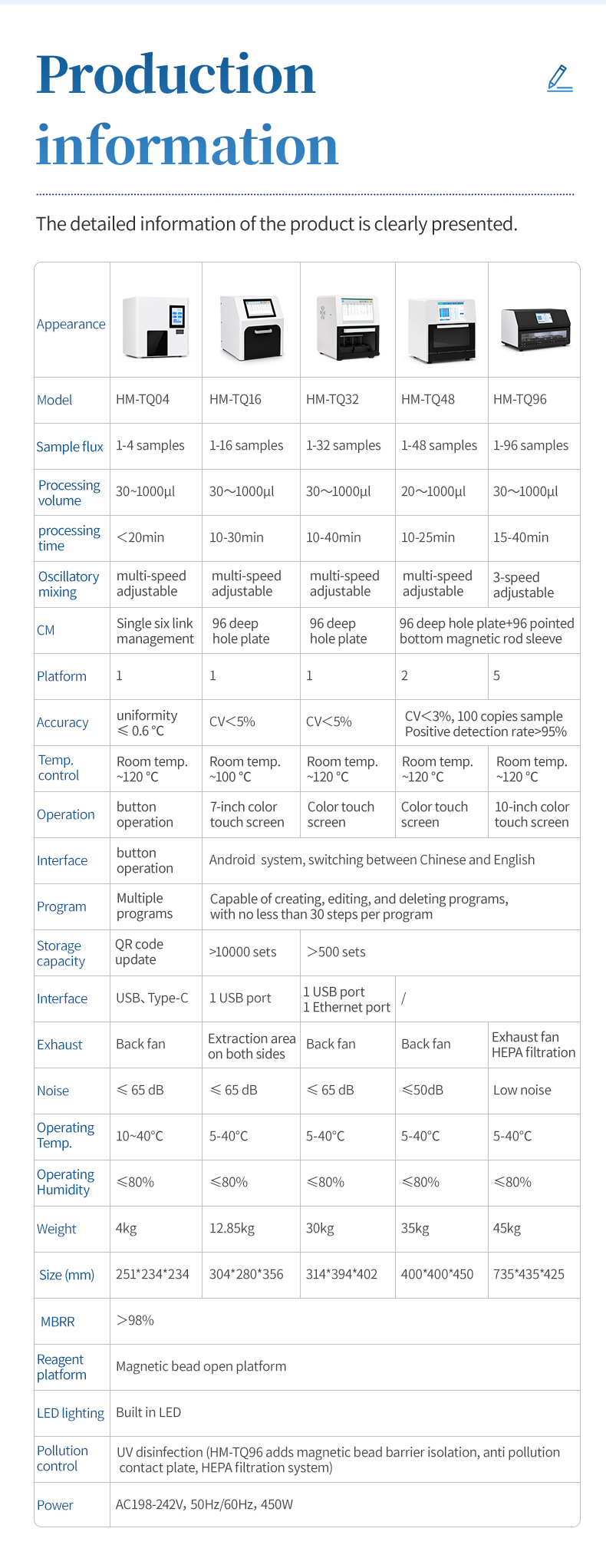
| Specification | HM-TQ48 |
|---|---|
| Extraction Method | Magnetic Bead |
| Max Channels | 48 |
| Magnetic Rods | 48 |
| Processing Volume | 20–1000 μl |
| Magnetic Bead Recovery | >98% |
| CV (Inter-well) | <3% |
| Processing Time | 10–25 min |
| Temperature Range | Ambient–120°C |
| Reagent Platform | Open |
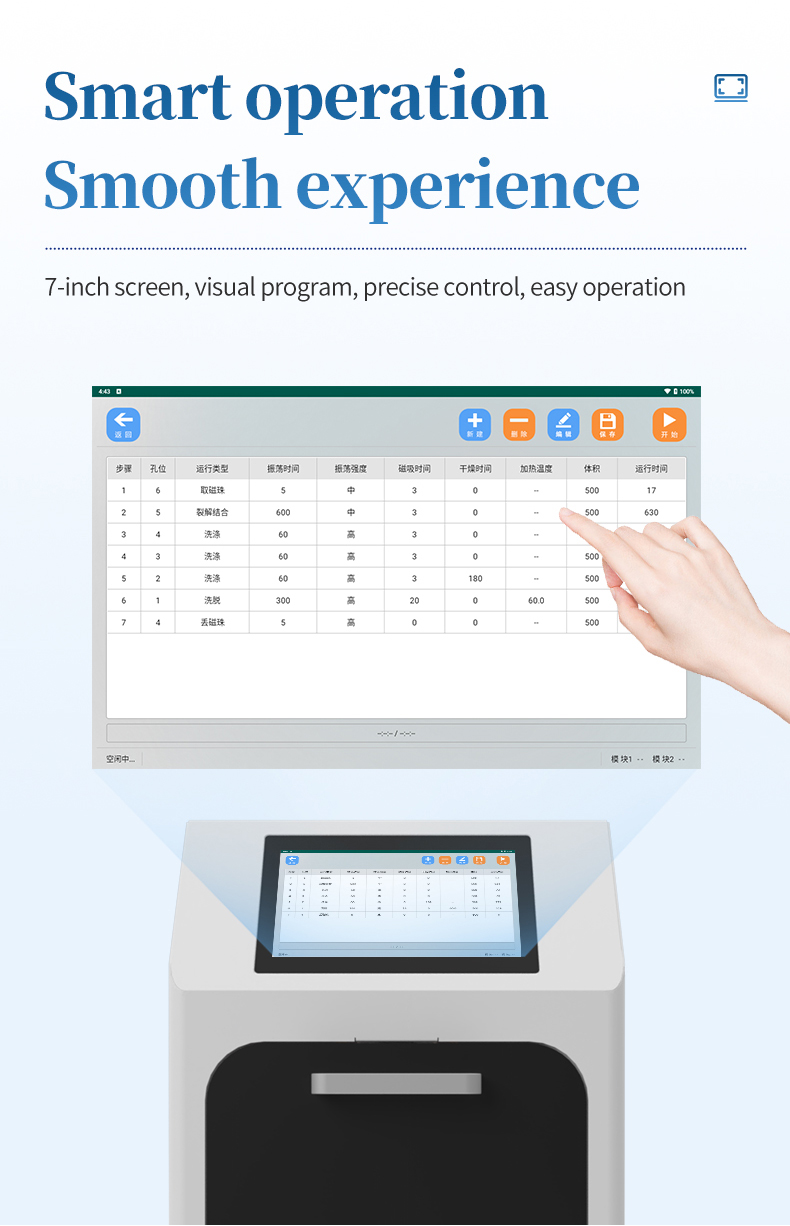
| Display | Android Color LCD |
| Program Storage | >500 |
| Noise Level | ≤50 dB |
| UV Disinfection | Yes |
| LED Illumination | Yes |
| Barcode Scanning | Yes |
| Program Import/Export | Yes |
| Power Supply | AC 198–242V / 450W |
| Operating Conditions | 5–40°C, ≤80% RH |
| Dimensions (mm) | 400×400×450 |
| Weight | 35 kg |
FAQ
Q1: Why does CV matter more for quantitative PCR than qualitative detection?
Qualitative PCR simply detects presence or absence of a target — moderate extraction variability rarely causes false results. Quantitative PCR measures exact copy numbers, and extraction variability directly adds noise to the quantification. A 10% extraction CV could shift a viral load measurement by 2-fold, potentially crossing clinical decision thresholds. The HM-TQ48's CV below 3% ensures that extraction contributes minimal variability to the total analytical error budget of quantitative assays.
Q2: How does barcode scanning improve diagnostic laboratory workflows?
In laboratories processing 100+ specimens daily, manual sample identification and data entry are significant error sources. Barcode scanning on the HM-TQ48 reads sample IDs directly from barcoded tubes and plates, automatically associating each extraction position with the correct patient specimen. This eliminates tube-swapping errors, supports chain-of-custody documentation, and integrates with LIMS for automated result reporting.
Q3: Can the HM-TQ48 handle circulating tumor DNA extraction for liquid biopsy?
Yes. Circulating tumor DNA (ctDNA) is present in plasma at very low concentrations, often below 10 ng/mL. The HM-TQ48's greater than 98% magnetic bead recovery and CV below 3% ensure maximum recovery with minimal well-to-well variability. The 20 μl minimum volume allows concentration of small-volume plasma eluates. Many commercial ctDNA extraction kits are compatible with the HM-TQ48's open platform.
Q4: What is the return on investment for upgrading from HM-TQ16 to HM-TQ48?
Laboratories processing more than 50 samples daily benefit from the HM-TQ48's 3x throughput increase and precision upgrade from CV<5% to CV<3%. The barcode scanning feature alone can save 15–20 minutes of daily data entry in a 100-sample-per-day laboratory. Combined with open-platform reagent savings of $15,000+ annually, the typical payback period for upgrading from HM-TQ16 to HM-TQ48 is 12–18 months in a busy diagnostic laboratory.
Q5: How does the HM-TQ48 support multi-center clinical trial extraction standardization?
Multi-center clinical trials require identical extraction conditions across all participating sites to ensure molecular endpoint comparability. The HM-TQ48's protocol import/export function allows the trial sponsor to distribute a validated extraction method via USB drive to all sites. Each HM-TQ48 loads the identical protocol, and the open platform ensures the same magnetic bead kit is used everywhere. Barcode scanning enforces correct sample-to-position mapping, and UV disinfection maintains consistency across sequential extraction batches.
Expert Review
Article address:https://www.molecularbio.cn/pro12/quantitative-pcr-nucleic-acid-extractor.html