


 Current
location:
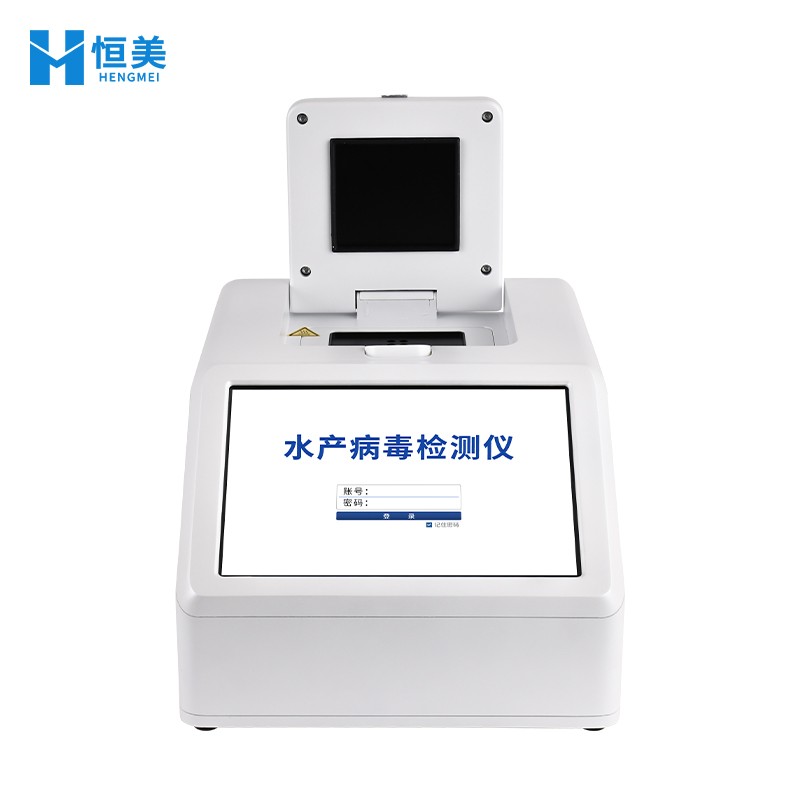
Aquatic virus PCR testing requires a traceable specimen, suitable nucleic acid preparation and a target-specific assay. HM-P16 performs thermal cycling and real-time fluorescence measurement. Use the extraction and reaction controls required for the particular pathogen test.
HM-P16 is part of the HENG MEI Intelligent Manufacturing range supplied by Shandong Hengmei Electronic Technology Co., Ltd.
How the measurement works
HM-P16 detects fluorescence during target-specific PCR or reverse-transcription PCR workflows for aquatic animal testing. The pathogen, host species and specimen determine the extraction and reaction method. Two optical channels and 16 positions support the compatible assay layout.
Set up the analytical workflow
- Record the host, specimen and target pathogen using the sampling procedure.
- Extract the required nucleic acid with the appropriate process controls.
- Prepare and run the compatible PCR or reverse-transcription PCR assay.
- Review the control outcomes and target interpretation rules before reporting.
Technical configuration
| Parameter | Specification |
|---|---|
| Sample positions | 16 × 0.2 mL |
| Reaction volume | 15–100 µL |
| optical channels | FAM/SYBR Green and HEX/JOE/VIC |
Budget a run for targets and controls
If a 16-position run uses four positions for required controls and each specimen needs one reaction for each of two separate targets, six specimens fit the remaining 12 positions. Multiplex capacity follows the validated assay and optical layout. Calculate throughput from the actual panel, controls and replicate requirements.
Connect target detection to specimen and timing
Review extraction, inhibition and reaction controls when interpreting a target-negative sample. A target signal identifies the nucleic acid detected by the assay under its decision rules. Host condition, sampling site and collection timing contribute to the health assessment and follow-up. RNA targets require the appropriate reverse-transcription stage.
Build a traceable aquatic pathogen panel
Define the host species, specimen and target pathogens before selecting the extraction and assay combination. Establish preservation and transport conditions at collection, then retain those details with the laboratory sample. Map the panel and controls to the run positions and optical channels. Evaluate process and inhibition controls when reviewing target-negative results, and follow the assay rules for an unexpected signal. Report the target and specimen clearly so the result can be considered alongside animal condition and sampling context. This connects molecular detection to the appropriate aquatic animal health follow-up.
Specify the pathogen panel and sample pathway
Define the target pathogens, host species, specimen types and expected workload. Choose extraction kits and assays with appropriate matrix coverage and controls. Include sample preservation, cold storage and clean preparation arrangements. Match the assay dyes to the instrument channels and establish how results enter the aquatic animal health decision process.
Investigate unexpected results
| Observed issue | Checks and follow-up |
|---|---|
| The process control fails | Review specimen quality, extraction and inhibition before accepting a target-negative result. |
| A control indicates contamination | Investigate handling separation, reagents and batch acceptance. |
| Repeated specimens disagree | Review specimen site, collection timing, preservation and target method. |
Keep a usable analytical record
Retain these details with the result so the preparation, measurement and subsequent review can be reconstructed.
- Host, specimen and pathogen target
- Collection and preservation
- Extraction, panel and run layout
- Controls, interpretation and health follow-up
Technical questions from operators
Can the instrument test any fish or shrimp virus automatically?
The available test scope follows the configured, validated pathogen assays and sample preparation methods.
Why are extraction controls important?
They help evaluate the preparation stage and support interpretation of a target-negative or otherwise unexpected result.
Use the required controls and the method settings for each sample group, and preserve the original observations alongside the accepted result and review action.
Article address:https://www.molecularbio.cn/news/fish-and-shrimp-virus-pcr-from-sample-to-result.html