


 Current
location:
Wood packaging inspection sits between two systems: an inspector at a port or warehouse deciding whether a consignment looks compliant, and a laboratory that can detect an organism the inspector cannot see. The handover between them decides whether the result is useful. A sample taken from the wrong part of a pallet, or held too long before extraction, produces a laboratory answer that says nothing about the consignment.
This article describes the workflow from inspection to result. It is written by the engineering team at HENG MEI Intelligent Manufacturing for inspection bodies and quarantine laboratories.
What the inspector is looking for
At inspection, three things are checked before any sample is taken.
- Marking and treatment evidence. ISPM 15 requires wood packaging in international trade to be treated and marked. A missing or illegible mark is a compliance finding in itself and does not require a laboratory test.
- Symptoms in the wood. Blue stain, resin flow, exit holes of the vector beetle, and discoloured or weakened sections are the visible indicators that justify sampling.
- Condition of the timber. Bark present, damp timber, or untreated dunnage in a consignment raises the probability that a live organism is present.
Sampling is triggered by these findings, not by a fixed rule that every consignment is tested. Laboratories that receive samples taken at random from compliant, dry, marked packaging are being asked to answer a question that inspection had already answered.

Taking a sample that represents the consignment
Nematodes concentrate in particular tissues, so the sampling method determines the probability of detection more than the assay does.
- Sample the symptomatic material. Chips or shavings from stained, resinous or holed sections, not from clean surfaces.
- Sample several pieces. Four to six subsamples from different boards or pallets in the consignment, combined into one laboratory sample.
- Include material from depth. Surface shavings miss nematodes that have moved into the wood.
- Label at the point of sampling. Consignment number, pallet mark and date; a bag labelled at the laboratory cannot be linked to a consignment.
The composite approach cannot prove absence from a container. It can establish presence, which is what triggers action. Reports and decisions should be worded accordingly.
Transport and storage
Live nematodes are needed for morphological identification, so wood samples should not be allowed to dry or heat. A sealed bag kept cool and delivered within 24–48 hours preserves the options; a sample left in a vehicle for three days may still yield DNA for PCR while losing the possibility of morphological confirmation.
| Condition | Effect on morphological method | Effect on PCR |
|---|---|---|
| Cool, sealed, under 48 h | Usable | Usable |
| Dried at ambient | Organisms dead; identification compromised | Usually still usable |
| Heated in a closed vehicle | Unusable | DNA degraded; unreliable |
| Frozen | Usable for some purposes | Usable |
What the laboratory can conclude
Two methods, two different conclusions, and the report should say which was used.
Morphological identification after extraction examines adult nematodes and identifies species from physical features. It is the classical basis for a finding and requires live specimens.
Molecular detection amplifies species-specific DNA and can be applied to wood, to extracted nematodes, or to material where specimens are few or dead. It is faster and more sensitive, and it does not distinguish live from dead organisms — a relevant limitation where treatment has been applied.
A positive molecular result on treated wood therefore means that target DNA is present, not necessarily that a viable population exists. Where the regulatory consequence depends on viability, the report should state the method and the limitation explicitly; inspectors and importers should not have to infer it.
Throughput and batching
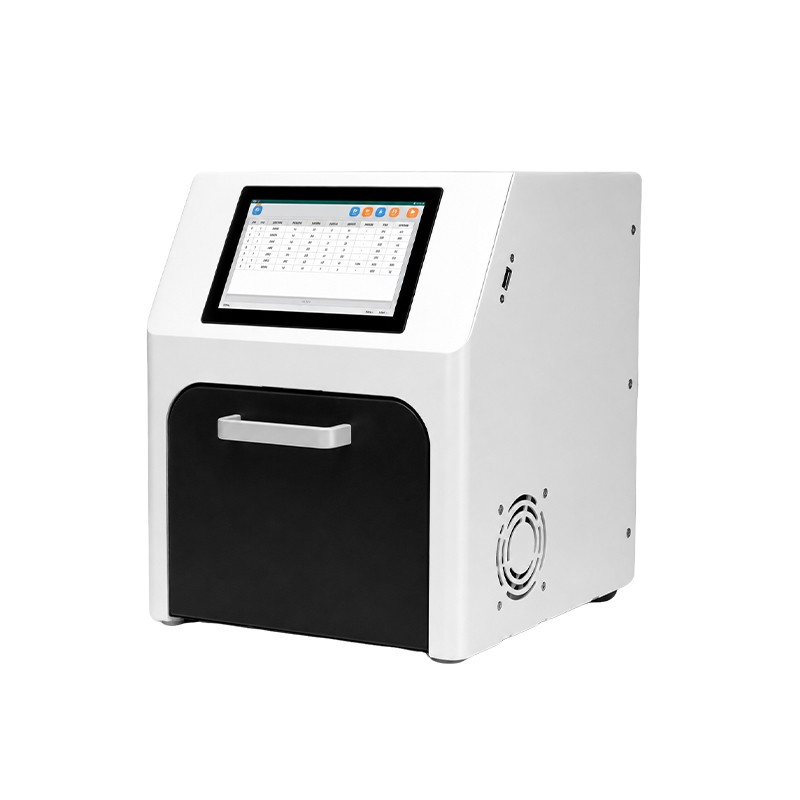
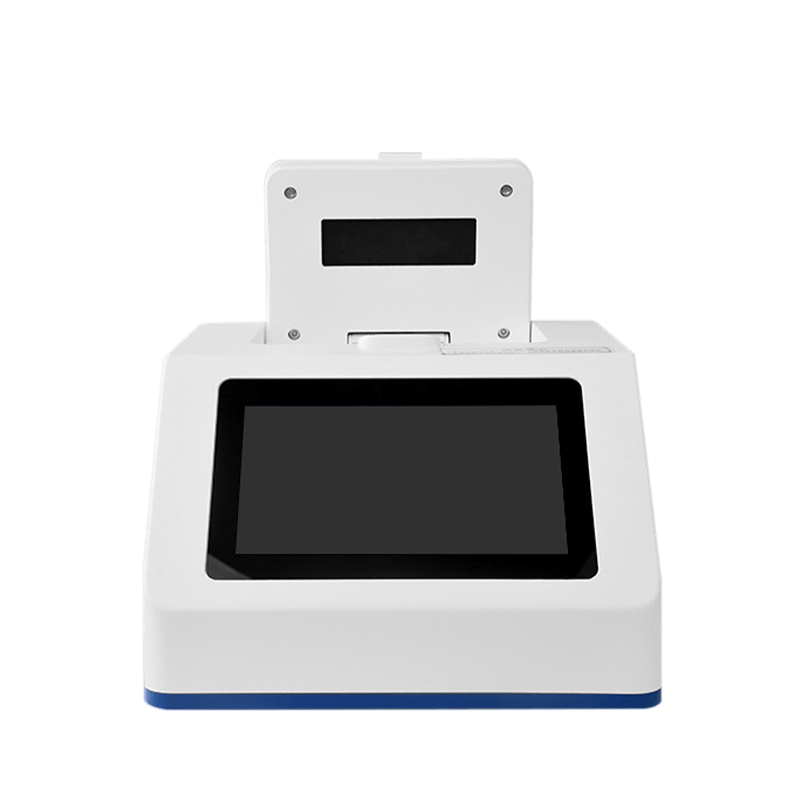
Quarantine demand arrives in batches. A 48-well real-time PCR instrument accommodates a full consignment set with controls in one run, which matters because controls consume positions and because a run split across two instruments introduces the question of comparability. Four controls — positive, negative, extraction blank and internal amplification control — are the minimum for a defensible batch, leaving 44 sample positions.
Where a laboratory screens a handful of samples a week, a 16-well instrument is sufficient and the specification differences between models matter less than the extraction workflow. Where a laboratory handles weekly container loads, capacity and well-to-well temperature uniformity determine whether the plate can actually be filled.
Records and chain of custody
A quarantine result may be challenged. The record should carry the consignment number, the pallet marks sampled, the inspector, the sampling date, the extraction batch, the assay used and the Ct values. Two properties make this practical: instrument timestamps rather than manual entry, and an export format that the laboratory's record system accepts without re-typing.
How HENG MEI supports inspection workflows
HENG MEI Intelligent Manufacturing supplies real-time PCR instruments in 16-well and 48-well formats from one platform, so a laboratory can match capacity to the batch sizes its port produces. The instrument specification and the sampling considerations behind it are set out in our pine wood nematode detection guide.
To plan a laboratory for wood packaging testing, tell our sales contact the consignments per week, the samples per consignment, the assay accepted by the plant protection authority, and the confirmation method used for positives. Those four facts determine instrument capacity and the extraction bench layout.
Contact: Kyra, Sales Contact, Kyra@hmdzkj.cn, +86 13792642016 (Tel / WhatsApp / WeChat).
Article address:https://www.molecularbio.cn/news/wood-packaging-inspection-laboratory-workflow.html